Melbourne Florida Since 1878
The working river that built Melbourne.
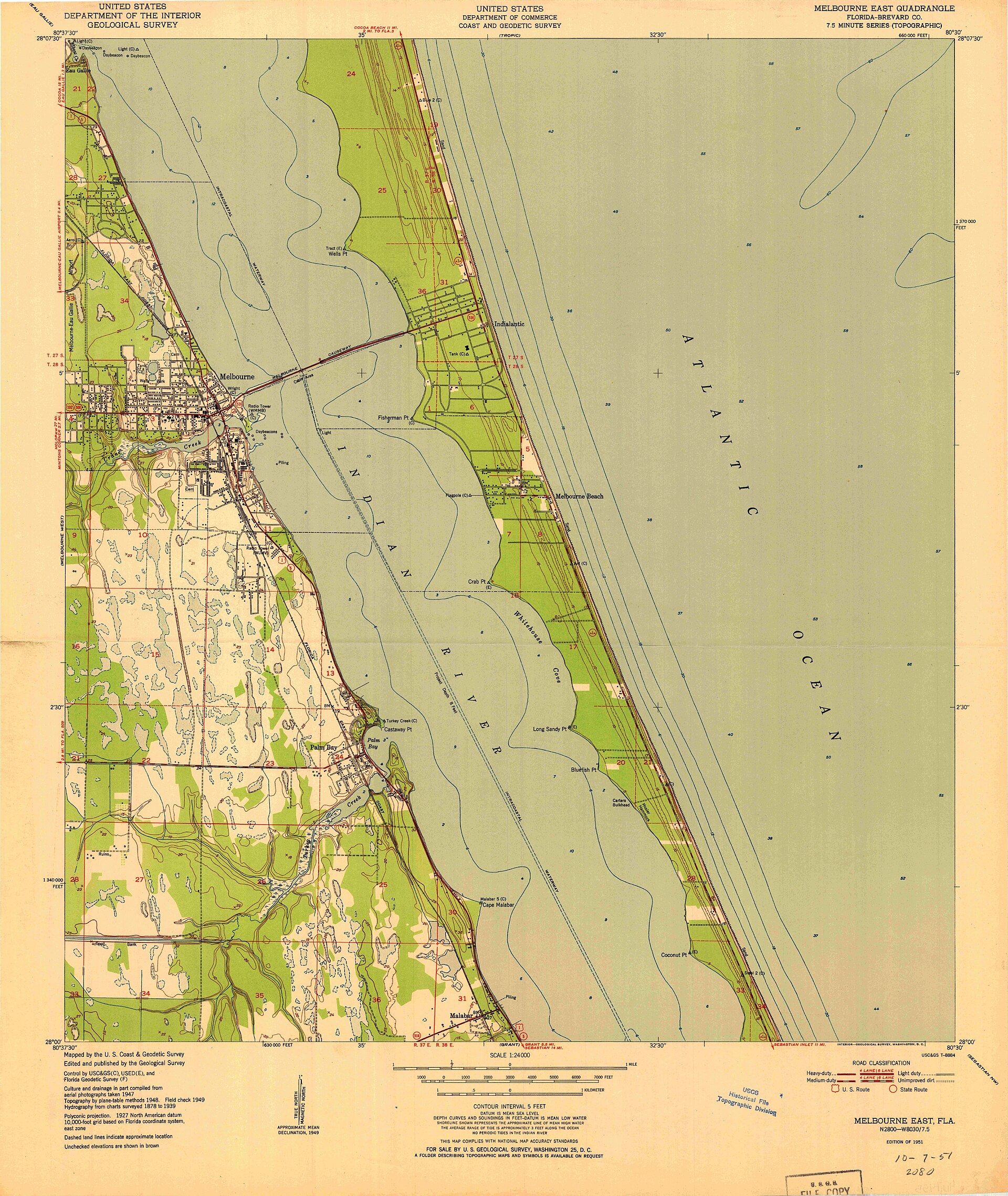
Cornthwaite Hector pitched a tent on Crane Creek in 1878 and named the place after the Australian city he'd left behind. A century and a half later, the same waterfront still anchors a city of 84,000, and the 1969 merger with Eau Gallie still shows up in everything from the street grid to the school district. This is where we chase that history down.
What's here
Crane Creek to the coast.
Twenty-five pieces on the city, the creek, and everything in between.
-
Founding & the Hectors
Cornthwaite Hector, his wife Sarah Eleanor, and the Australian connection that left a city with the wrong country's namesake.
-
Crane Creek & the waterfront
Boat-building, citrus shipping, fishing, and the WWII submarine-chaser contracts the creek nobody talks about anymore.
-
The 1969 Eau Gallie merger
How two separate cities folded into one council, why it nearly fell apart, and what the merger still costs Melbourne in coherence.
-
Florida Tech & the aerospace corridor
Brevard Engineering College, founded 1958 for moonlit NASA workers, grew into the research engine that anchored the L3Harris belt.
Recent
From the archive.
-
Editorial
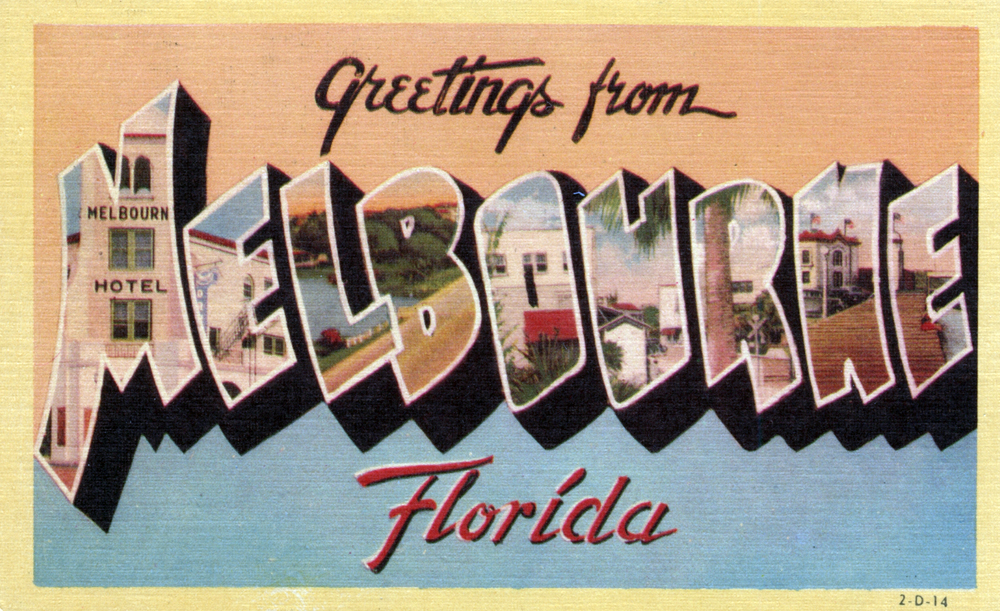
What 'Old Melbourne' means: editorial premise
Why this site exists, what we mean by 'old,' and the editorial standard we hold ourselves to. Under 1,200 words.
-
Communities
Melbourne's Booker T. Washington community
The historic Black neighborhood west of the FEC tracks, organized around the Booker T. Washington School and a network of Black businesses and churches that operated under segregation from the 1890s through the 1960s.
-
Industry
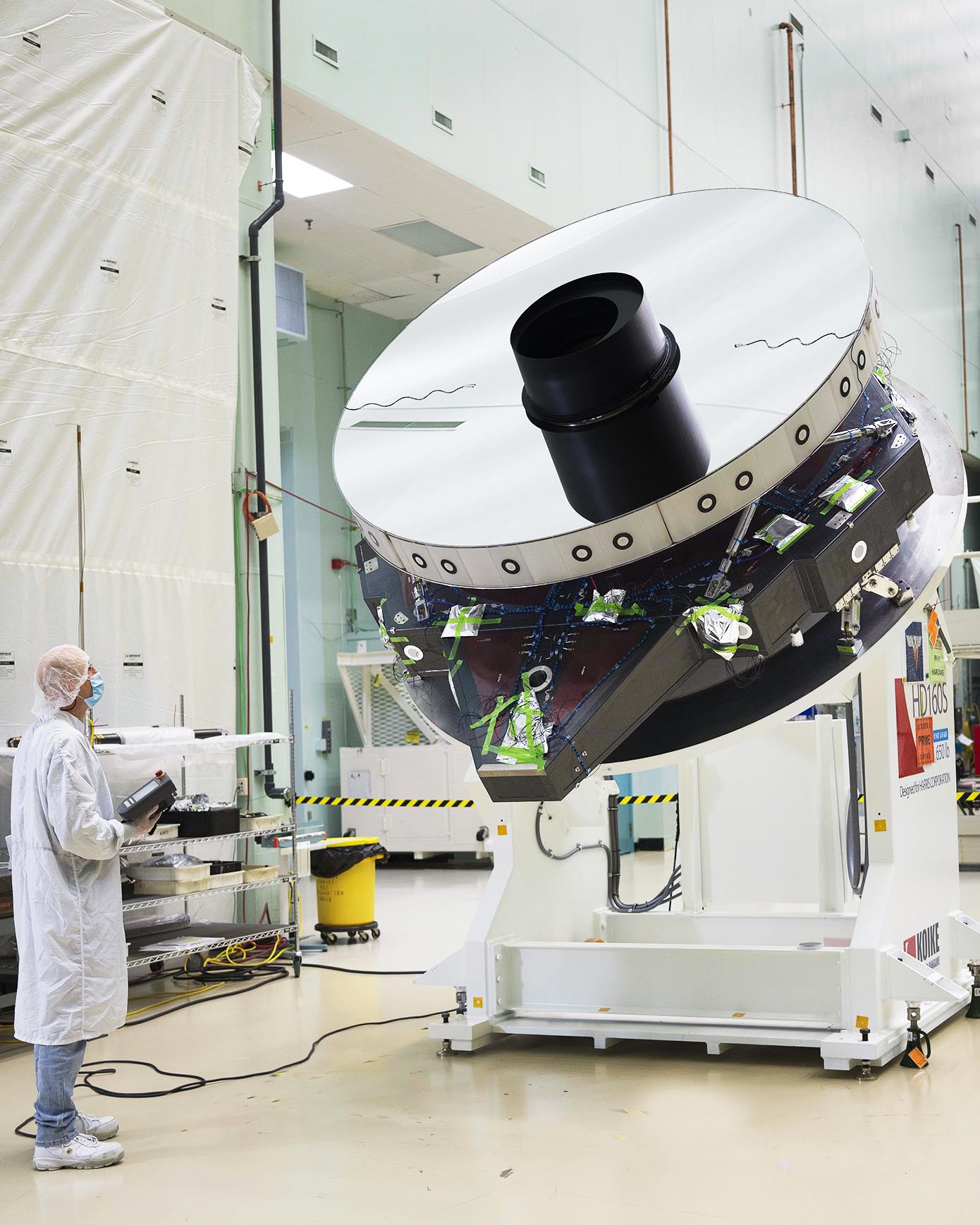
L3Harris Technologies and Melbourne's defense-electronics industry
From Radiation Inc. in 1950 through Harris Corp. through the 2019 L3 merger, Melbourne has been the headquarters of one of America's mid-sized defense contractors for seven decades. Here's the corporate history and the city's stake in it.
-
Neighborhoods
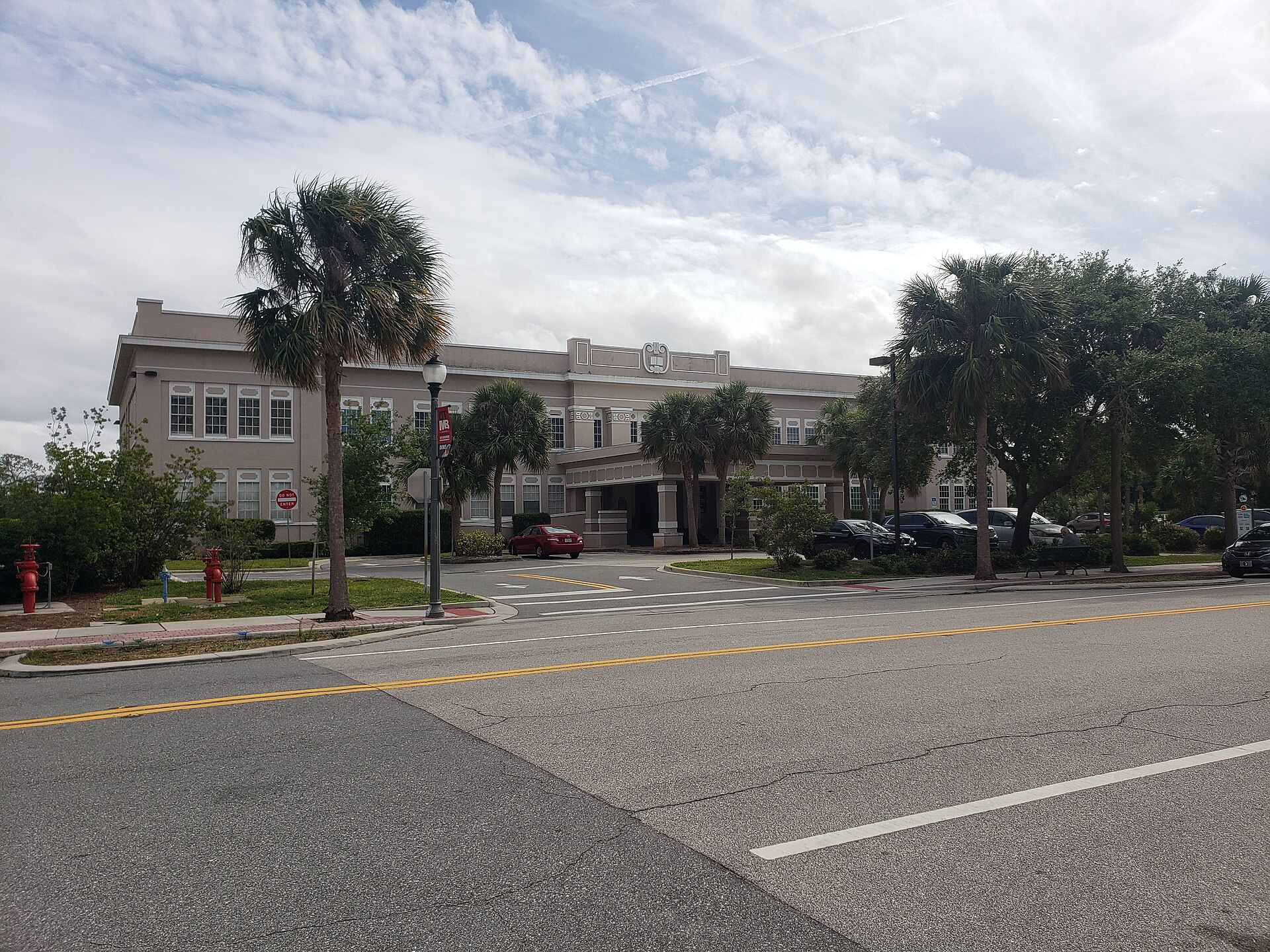
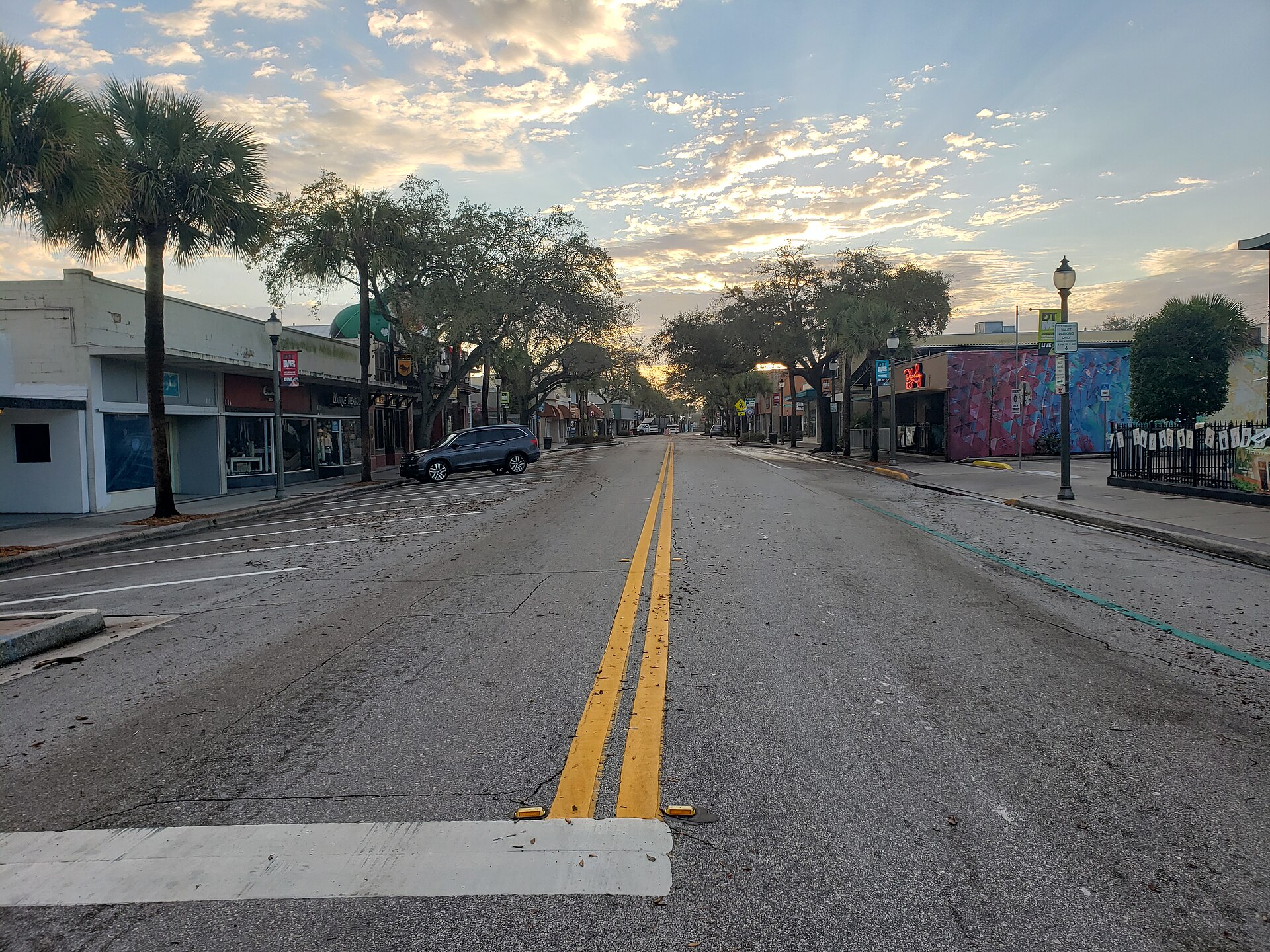
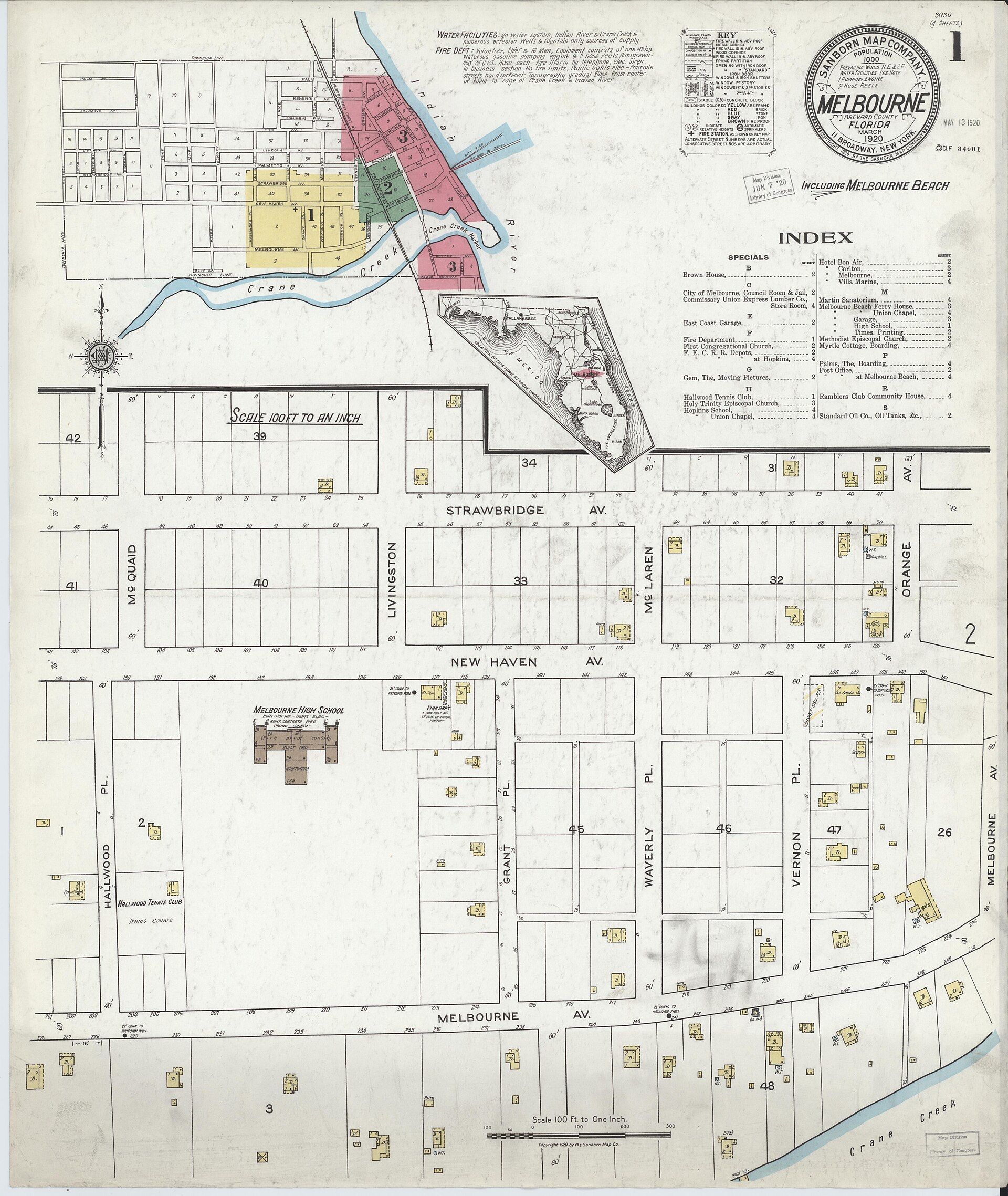
Front Street and downtown Melbourne before the 1969 merger
Melbourne's pre-merger downtown ran along Front Street and New Haven Avenue, with hardware stores, drugstores, banks, the FEC depot, and a working commercial culture that mostly disappeared in the 1970s suburban shift.
-
Weather
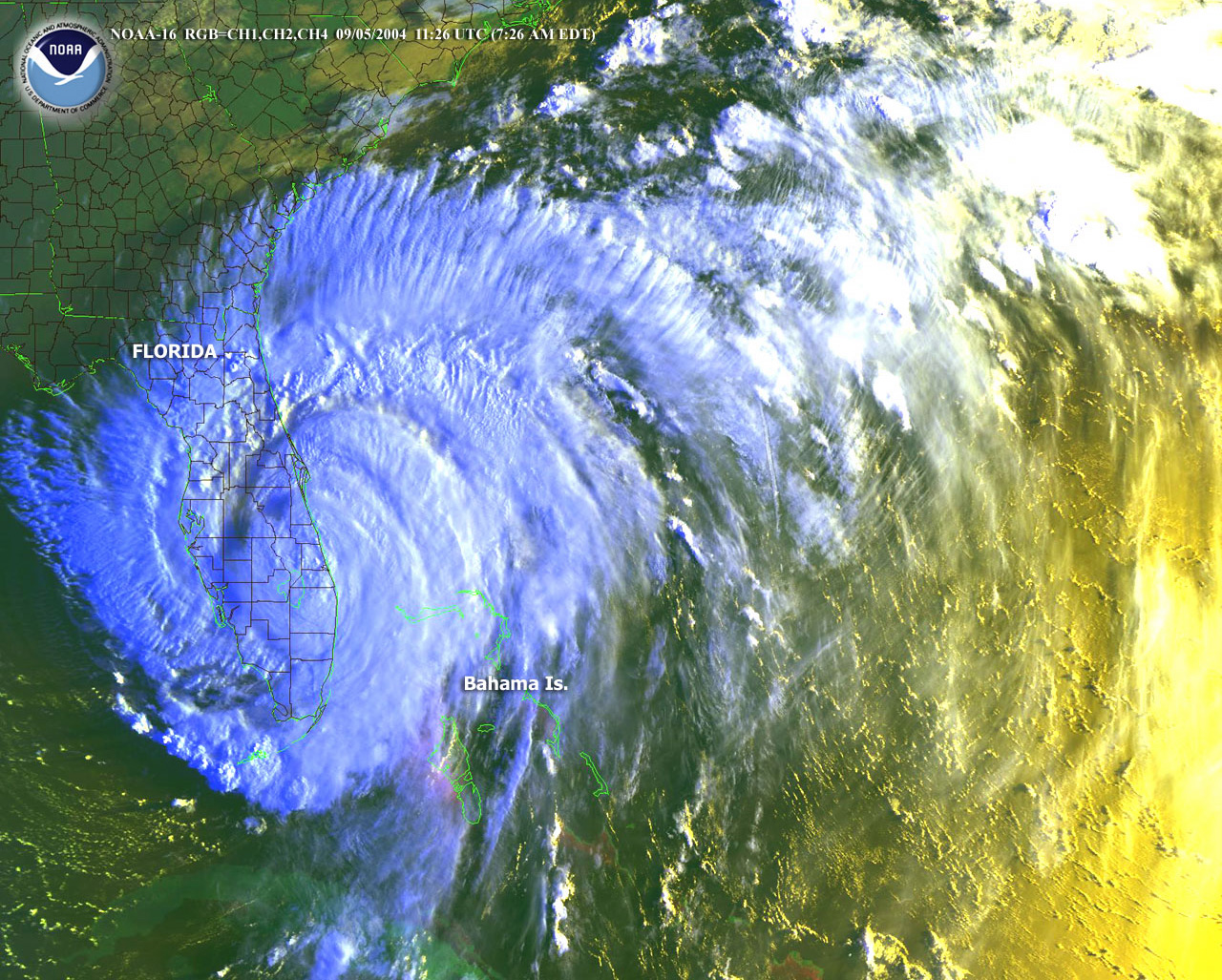
Melbourne and the 2004 hurricane double-strike: Frances and Jeanne
In a single twenty-day stretch in September 2004, Hurricanes Frances and Jeanne hit Melbourne with sustained tropical-storm conditions that lasted over a hundred hours combined. Here's what happened and how the city rebuilt.
-
Waterfront
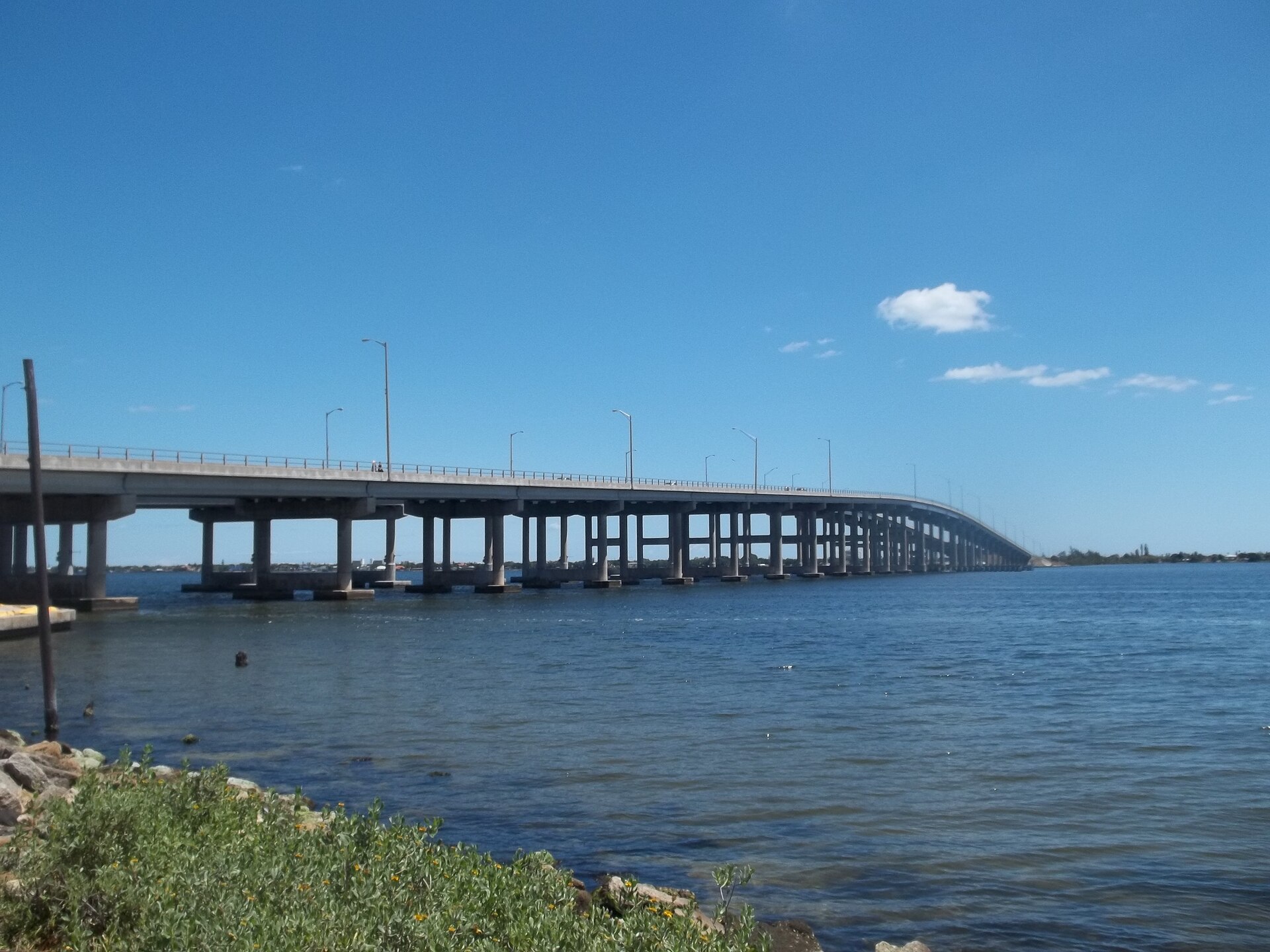
Melbourne as a fishing village, 1880s to 1920s
Before the citrus boom and well before the railroad, Melbourne earned its money on mullet, trout, and the Indian River fishery. Here's the working economy of a coastal Florida town in its first forty years.
-
Communities
Suntree and Viera: the master-planned communities that grew north of Melbourne
Suntree opened in 1973. Viera began in the late 1980s. Together they account for tens of thousands of homes built on what was DuPont cattle ranch into the 2010s and 2020s. Here's how Brevard's north county exploded.
-
Culture
The Brevard Symphony Orchestra, founded 1954
Started in a Melbourne living room as a chamber group, the Brevard Symphony Orchestra has performed continuously for over seventy years. Here's the founding, the growth, and the role of a small-city orchestra in a county that didn't seem to need one.
-
Founding
William H. Gleason and the Reconstruction-era land deals that shaped Brevard
Florida's impeached lieutenant governor used federal land-agent appointments to assemble 50,000+ acres along the Indian River. Here's how the Gleason holdings shaped Brevard County for a century.
Common questions about Melbourne history
- Who founded Melbourne, Florida, and why is it named after a city in Australia?
Melbourne was founded in 1878 when Cornthwaite John Hector, a Yorkshire-born schoolmaster who had lived sixteen years in Melbourne, Victoria, Australia, pitched a tent on the south bank of Crane Creek with his family. When the post office opened on July 5, 1880, Hector was the first postmaster and submitted the name "Melbourne" after his former Australian home, which fixed the name over rivals like "Crane Creek" and "Indian River." Despite a persistent legend, there was no naming vote; the postmaster simply got there first.
- When did Melbourne become an incorporated city?
Melbourne was incorporated by a special act of the Florida legislature on August 6, 1888, ten years after Hector's 1878 tent. The original charter set the city limits at one square mile centered on the post office and provided for a mayor, a five-member council, a marshal, and a clerk. The first mayor was John C. Stewart, a citrus grower who had settled in 1881.
- Why did Melbourne and Eau Gallie merge into one city?
On July 1, 1969, Melbourne and Eau Gallie ceased to exist as separate municipalities and combined into a single City of Melbourne under Chapter 69-1351. The merger was driven by the two cities growing into each other, costly duplicated police, fire, and utility services, and pressure from the NASA-era aerospace boom. Voters approved it in November 1968, but Eau Gallie's side passed by only 246 votes after earlier merger attempts failed in 1957 and 1963.
- When did the railroad reach Melbourne, and how did it change the town?
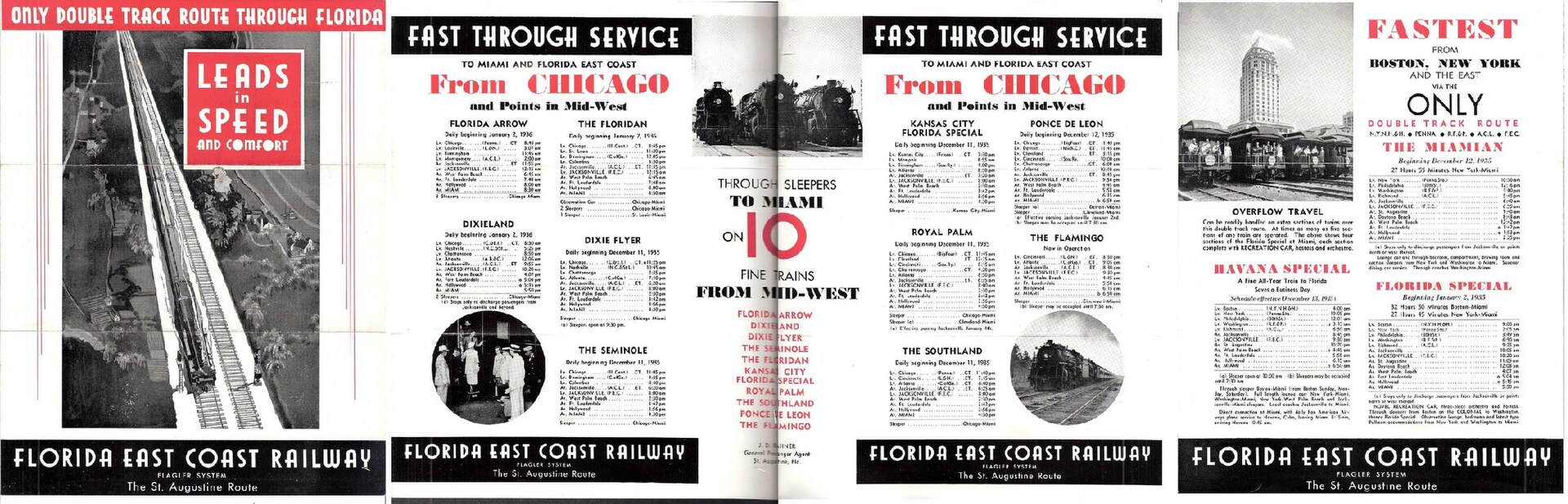
The first scheduled Florida East Coast Railway train reached Melbourne on July 4, 1893, as part of Henry Flagler's push south toward Miami. It cut the trip to Jacksonville from four days by sailing vessel to about twelve hours and transformed citrus shipping from a ten-to-fourteen-day water route into a five-day rail run, ending the working-sailboat freight economy within a decade. The town grew from 154 residents in 1900 to 1,729 by 1920.