About this publication
Melbourne was named after Melbourne, Australia, by a man who'd never been there.
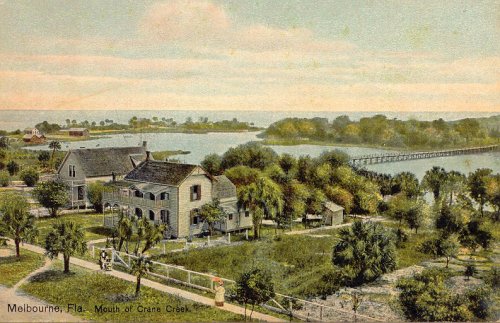
John Hector, an English immigrant, applied for a post office in 1878 and named the new settlement Melbourne after the Australian city. He had arrived by boat from Jacksonville, like most early settlers, and chose the name on a whim. The town grew on Crane Creek, a tidal waterway that cut through flatwoods before emptying into the Indian River Lagoon. The Florida East Coast Railway reached the creek landing on July 4, 1893, and the place stopped being a river village and started being a town. Eau Gallie, older and more ambitious, sat five miles north. For almost a century they were separate cities. In 1969 they became one, by 246 votes.
None of it would have happened without the creek. Old Melbourne covers the working-river history of these two places, from the fishing-village era through the WWII shipyard contracts, Florida Tech's founding in a Quonset hut, and the Eau Gallie Arts District that grew out of the old city's commercial core.
What this site covers
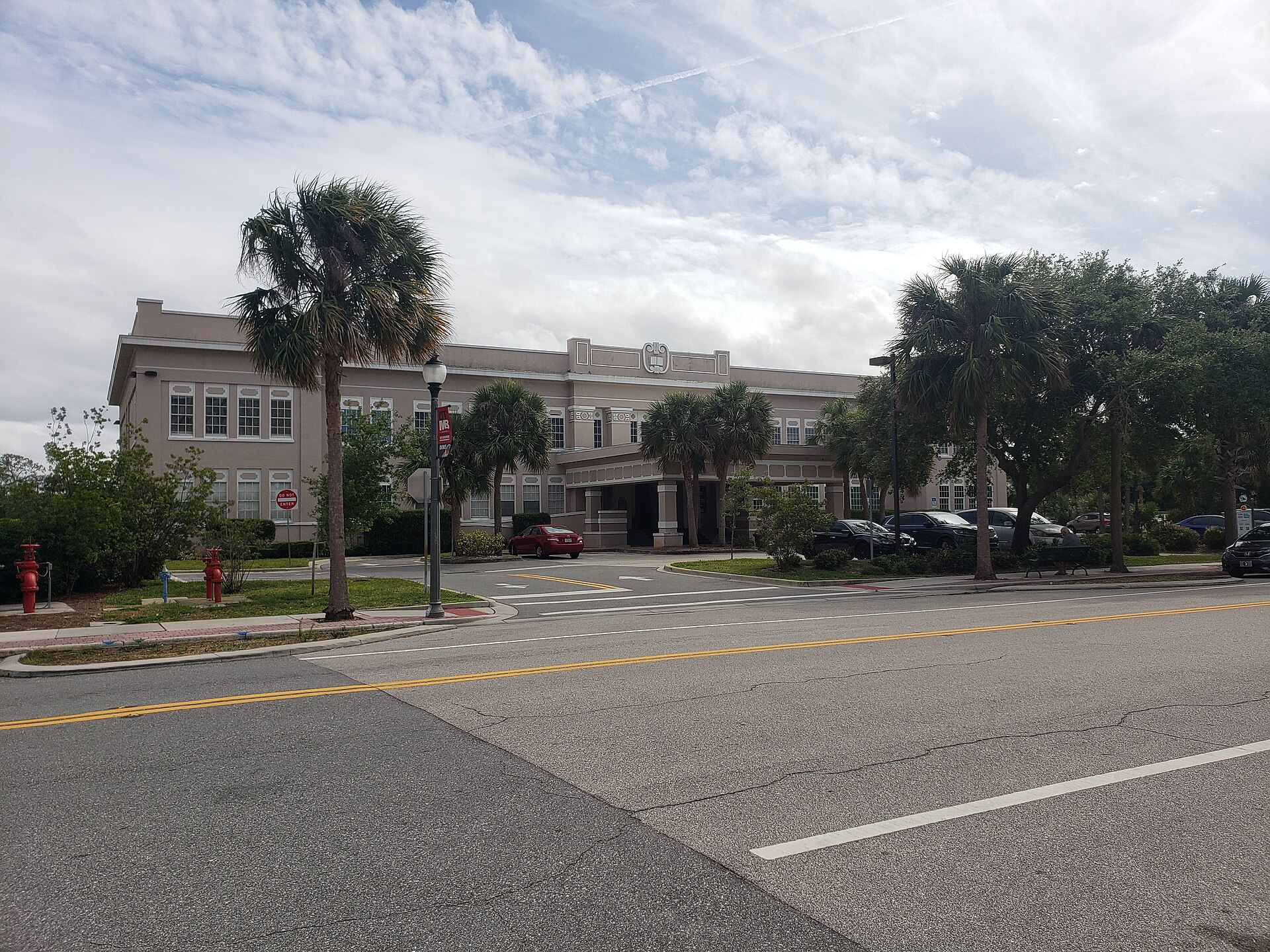
The 1878 founding and the Hector post office application. The Florida East Coast Railway station that opened July 4, 1893, and transformed Melbourne from a river landing into a town with a schedule. The WWII subchaser shipyard on Crane Creek, which ran contract work for the Navy between 1942 and 1945 and left almost no visible trace. The 1919 Auditorium building on East New Haven Avenue, now the Henegar Center, and Melbourne's civic history from the years before the merger. William Gleason, the Connecticut Radical Republican who parlayed a Reconstruction land grant into 50,000 Brevard County acres and platted Eau Gallie out of them. The 1969 Melbourne-Eau Gallie merger that passed by 246 votes in Eau Gallie and failed to pass in Melbourne. Florida Institute of Technology, founded in 1958 as Brevard Engineering College in a single Quonset hut, by a group of engineers who had come down for the Cape Canaveral work and decided to stay. The Eau Gallie Arts District that emerged from the old city's commercial blocks after the merger stripped Eau Gallie of its municipal identity.
That is the frame. The creek, the railroad, the shipyard, the merger, the rocket economy, and the arts district that absorbed what was left.
Corrections and local knowledge welcome at hello@oldmelbourne.com.