Writing
Notes, essays, and research from Old Melbourne.
- Editorial
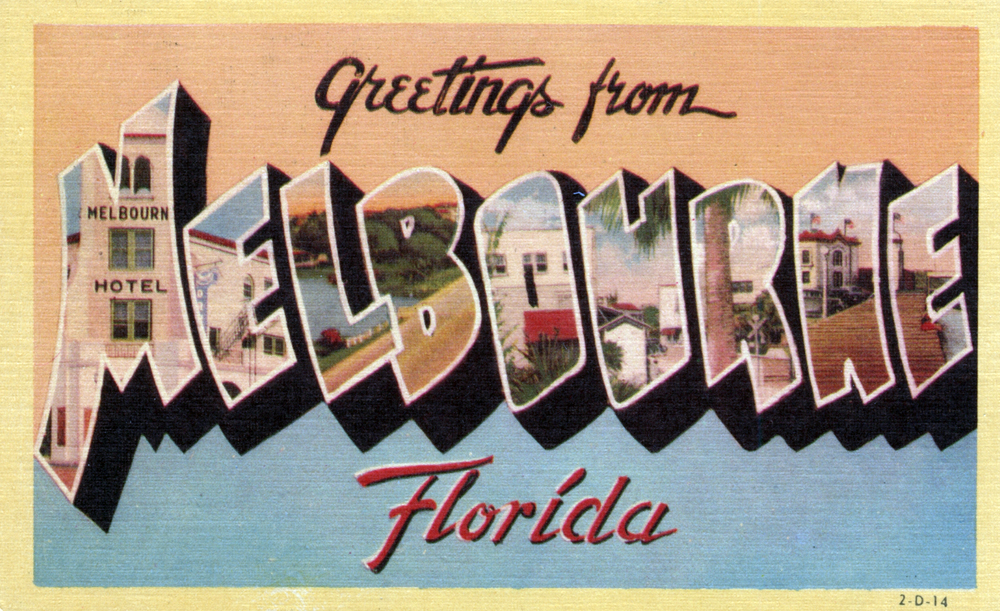
What 'Old Melbourne' means: editorial premise
Why this site exists, what we mean by 'old,' and the editorial standard we hold ourselves to. Under 1,200 words.
- Communities
Melbourne's Booker T. Washington community
The historic Black neighborhood west of the FEC tracks, organized around the Booker T. Washington School and a network of Black businesses and churches that operated under segregation from the 1890s through the 1960s.
- Industry
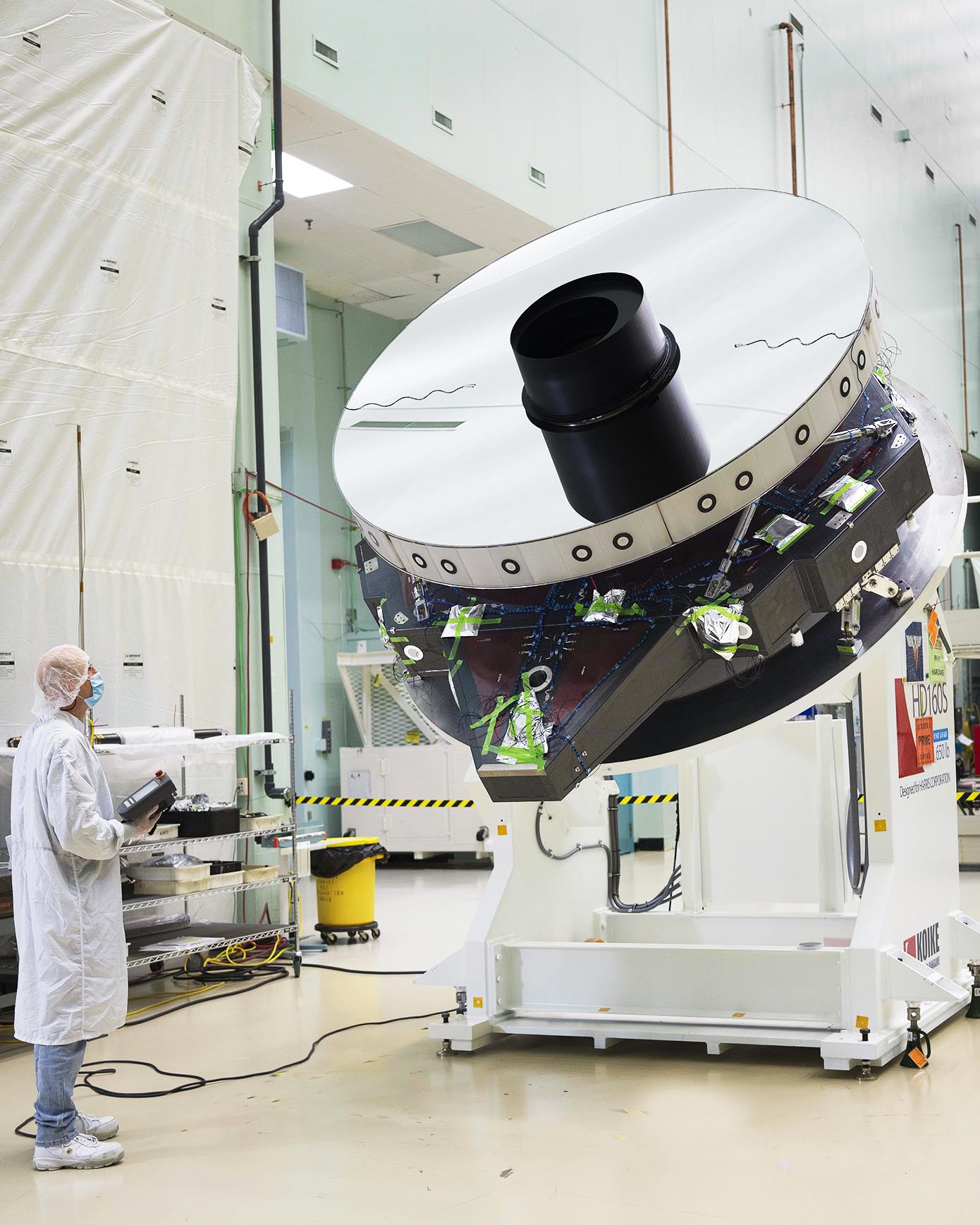
L3Harris Technologies and Melbourne's defense-electronics industry
From Radiation Inc. in 1950 through Harris Corp. through the 2019 L3 merger, Melbourne has been the headquarters of one of America's mid-sized defense contractors for seven decades. Here's the corporate history and the city's stake in it.
- Neighborhoods
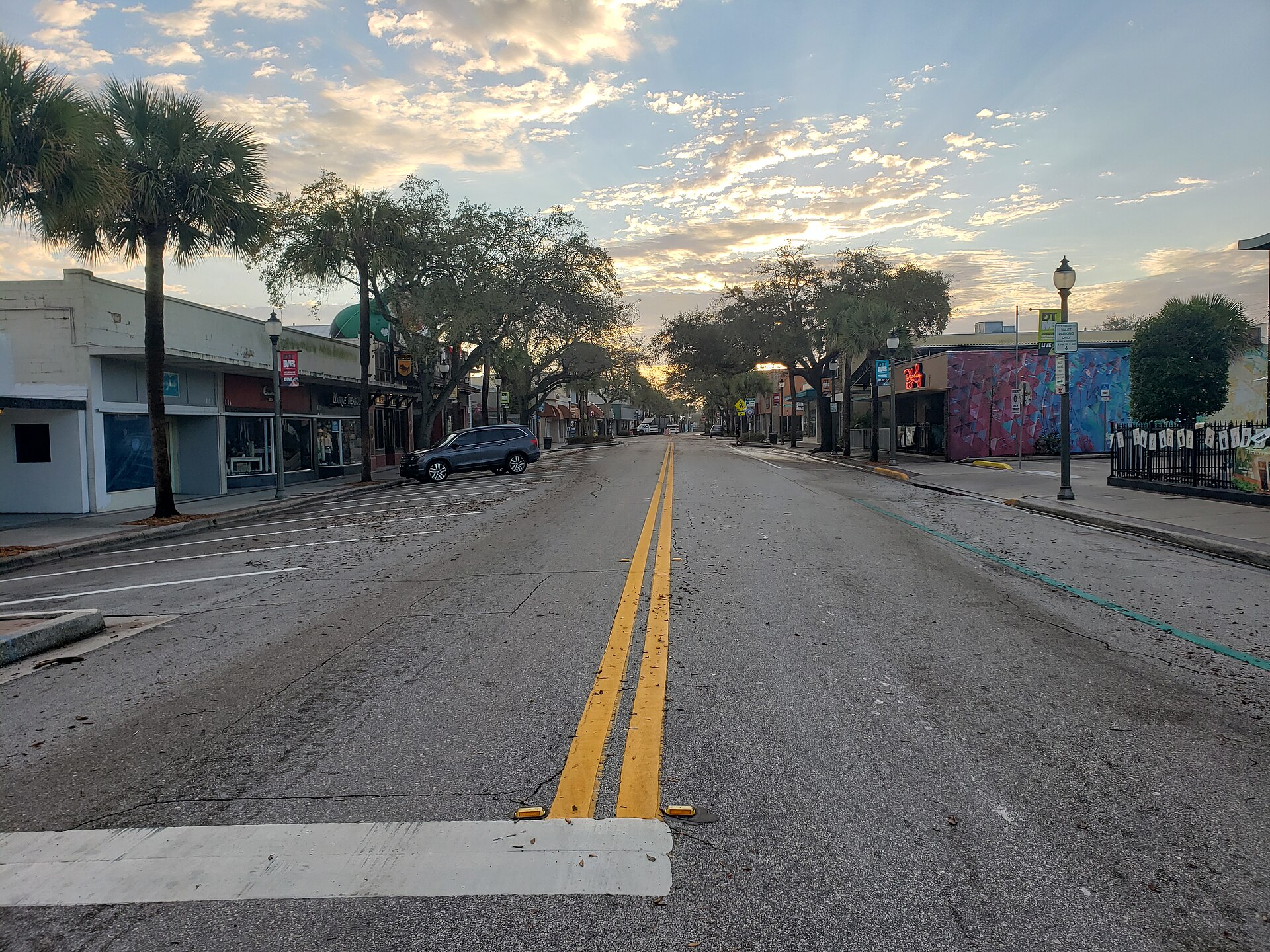
Front Street and downtown Melbourne before the 1969 merger
Melbourne's pre-merger downtown ran along Front Street and New Haven Avenue, with hardware stores, drugstores, banks, the FEC depot, and a working commercial culture that mostly disappeared in the 1970s suburban shift.
- Weather
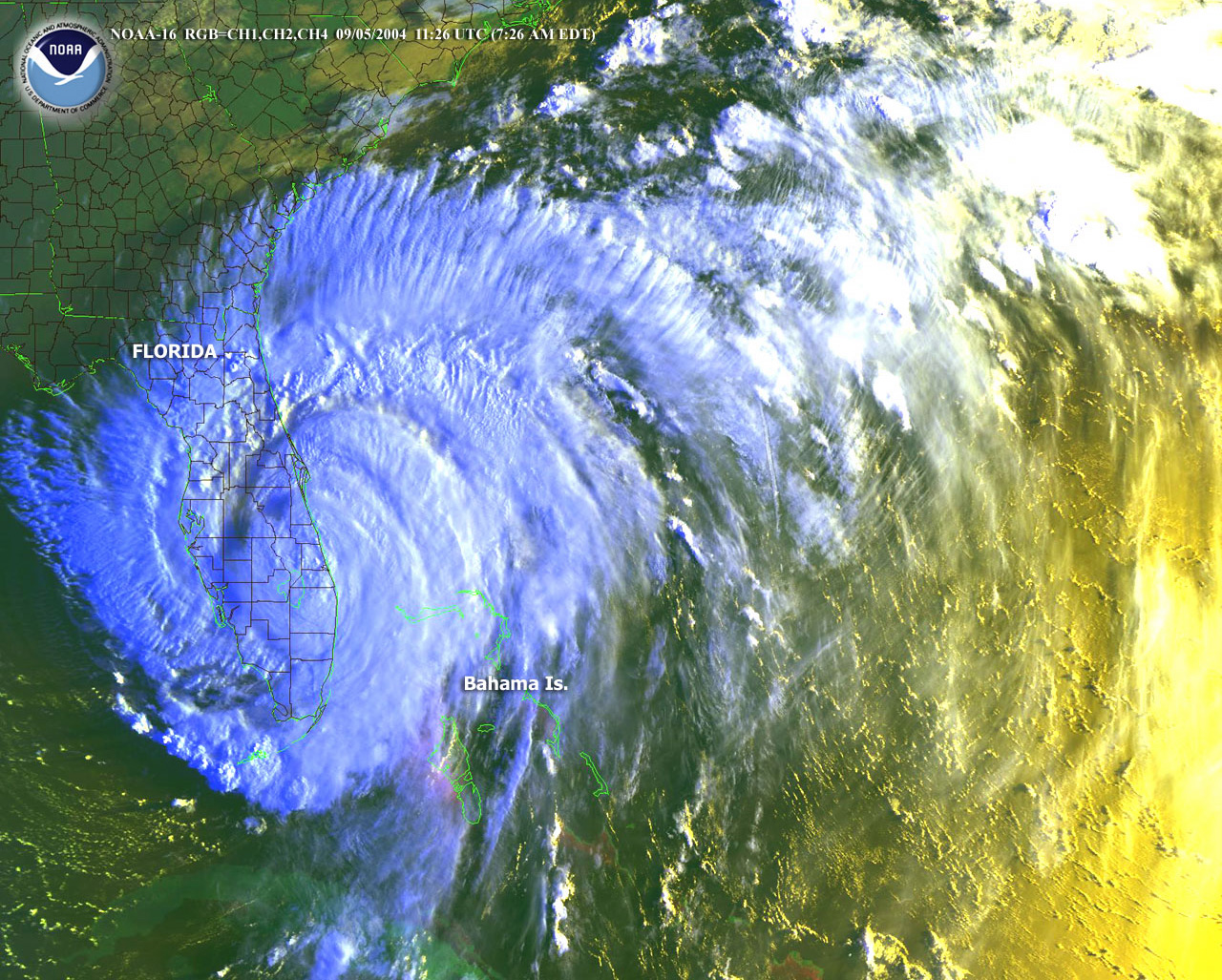
Melbourne and the 2004 hurricane double-strike: Frances and Jeanne
In a single twenty-day stretch in September 2004, Hurricanes Frances and Jeanne hit Melbourne with sustained tropical-storm conditions that lasted over a hundred hours combined. Here's what happened and how the city rebuilt.
- Waterfront
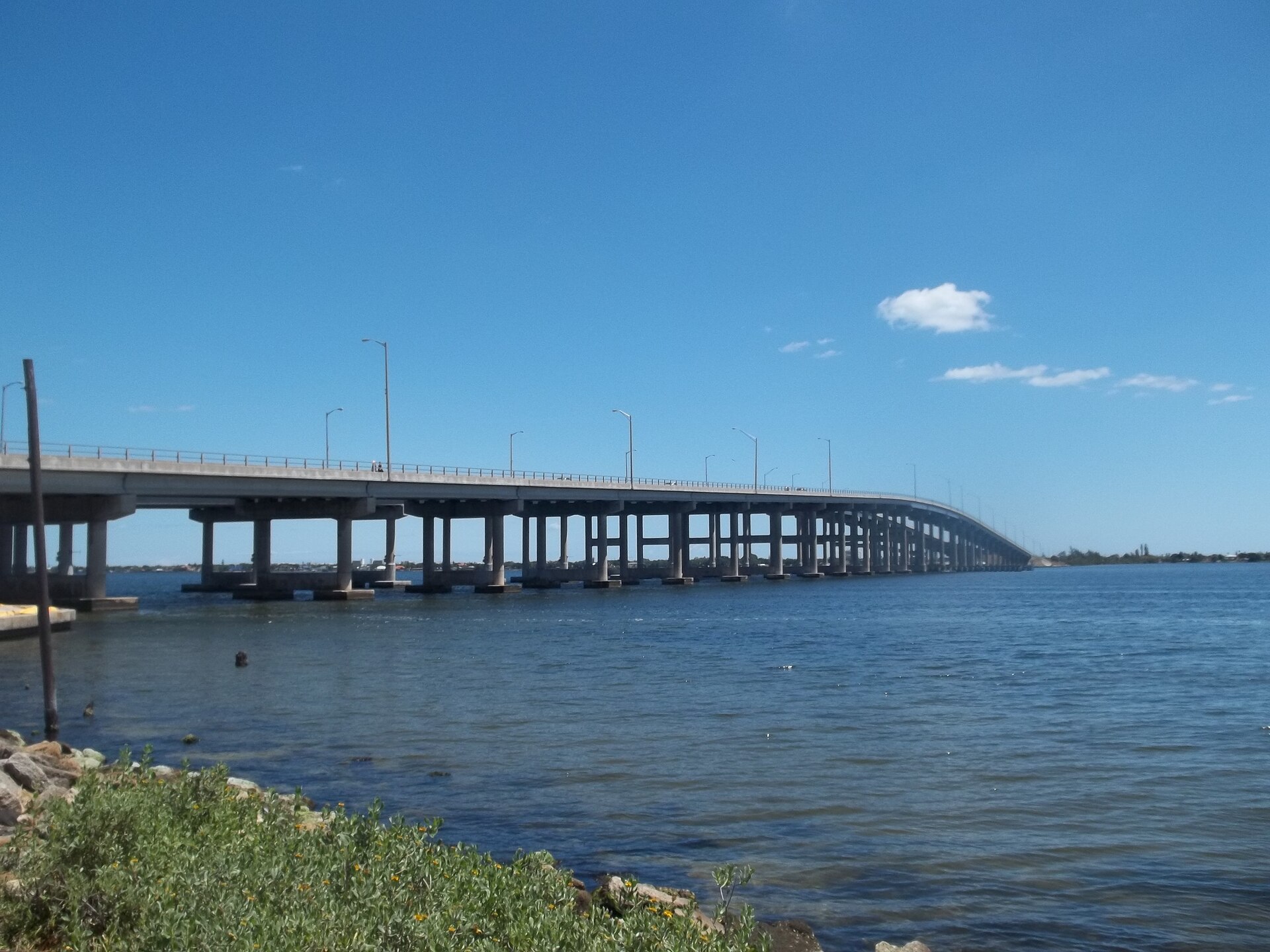
Melbourne as a fishing village, 1880s to 1920s
Before the citrus boom and well before the railroad, Melbourne earned its money on mullet, trout, and the Indian River fishery. Here's the working economy of a coastal Florida town in its first forty years.
- Communities
Suntree and Viera: the master-planned communities that grew north of Melbourne
Suntree opened in 1973. Viera began in the late 1980s. Together they account for tens of thousands of homes built on what was DuPont cattle ranch into the 2010s and 2020s. Here's how Brevard's north county exploded.
- Culture
The Brevard Symphony Orchestra, founded 1954
Started in a Melbourne living room as a chamber group, the Brevard Symphony Orchestra has performed continuously for over seventy years. Here's the founding, the growth, and the role of a small-city orchestra in a county that didn't seem to need one.
- Founding
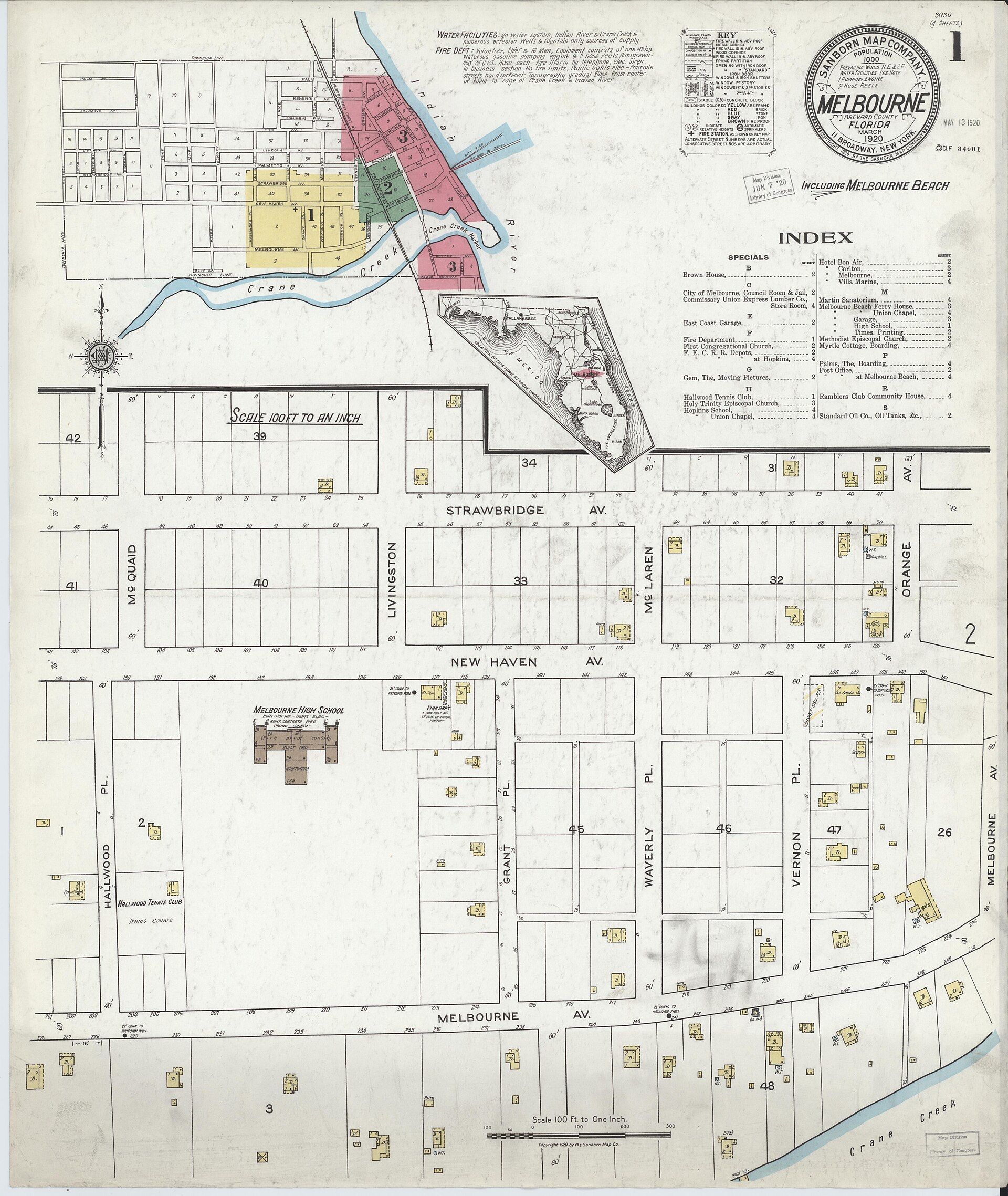
William H. Gleason and the Reconstruction-era land deals that shaped Brevard
Florida's impeached lieutenant governor used federal land-agent appointments to assemble 50,000+ acres along the Indian River. Here's how the Gleason holdings shaped Brevard County for a century.
- Infrastructure
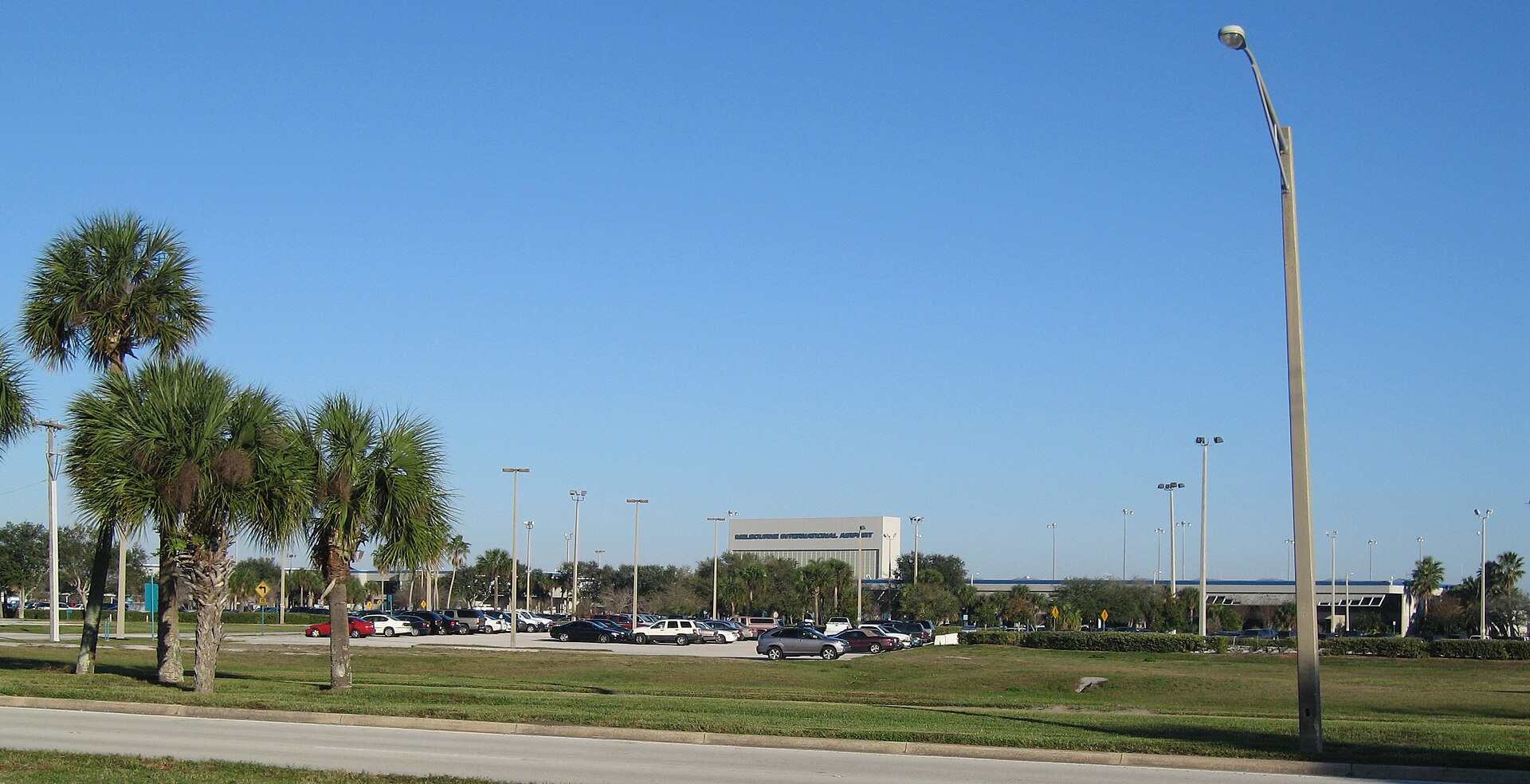
Melbourne's airport, 1928 to today: small grass strip to international hub
Naval Air Station Melbourne trained Navy pilots through WWII at what's now the Orlando Melbourne International Airport. The transition from grass strip to commercial gateway is one of Brevard's quiet success stories.
- Neighborhoods
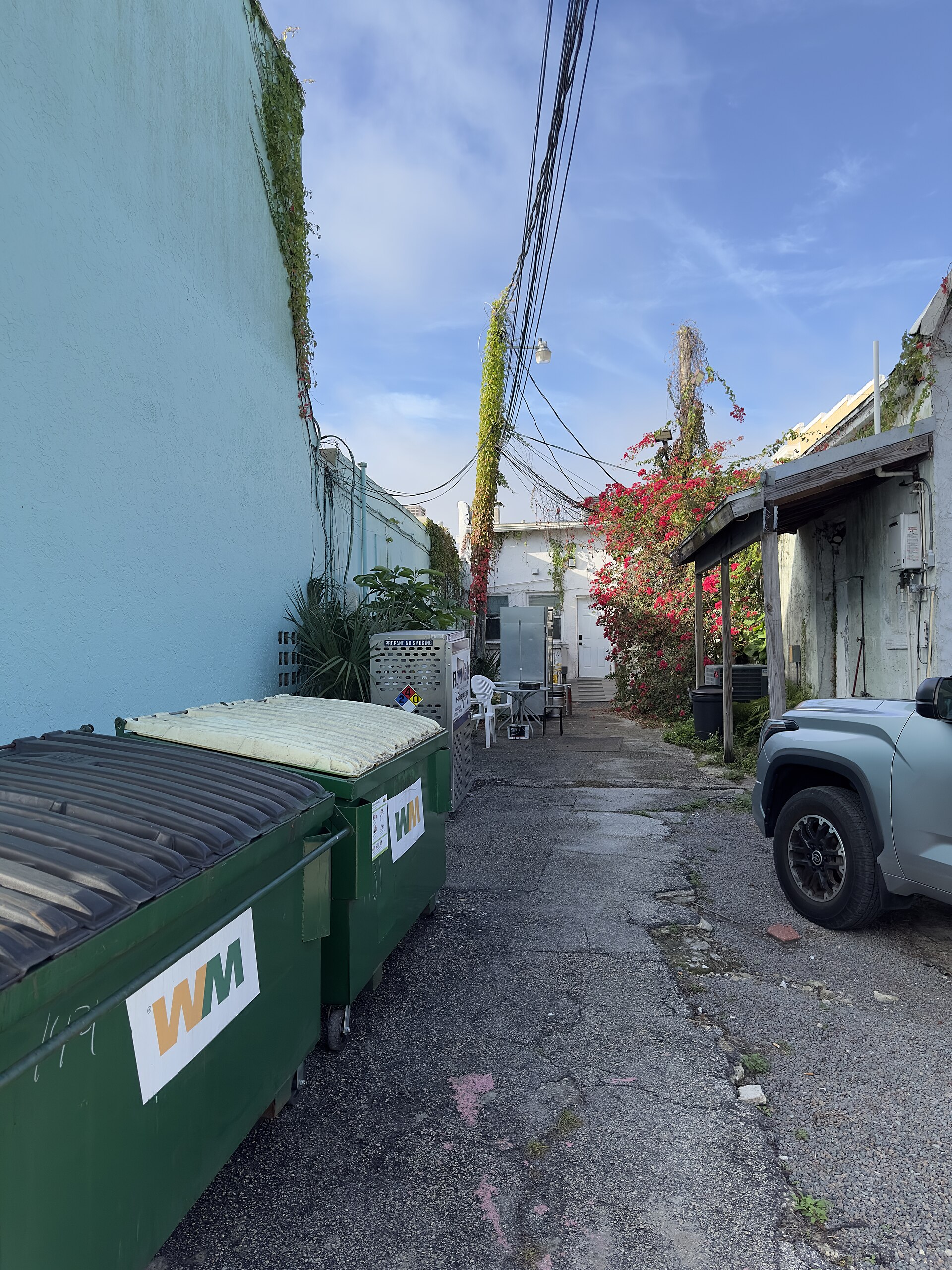
The Eau Gallie Arts District (EGAD) and the revival of a place
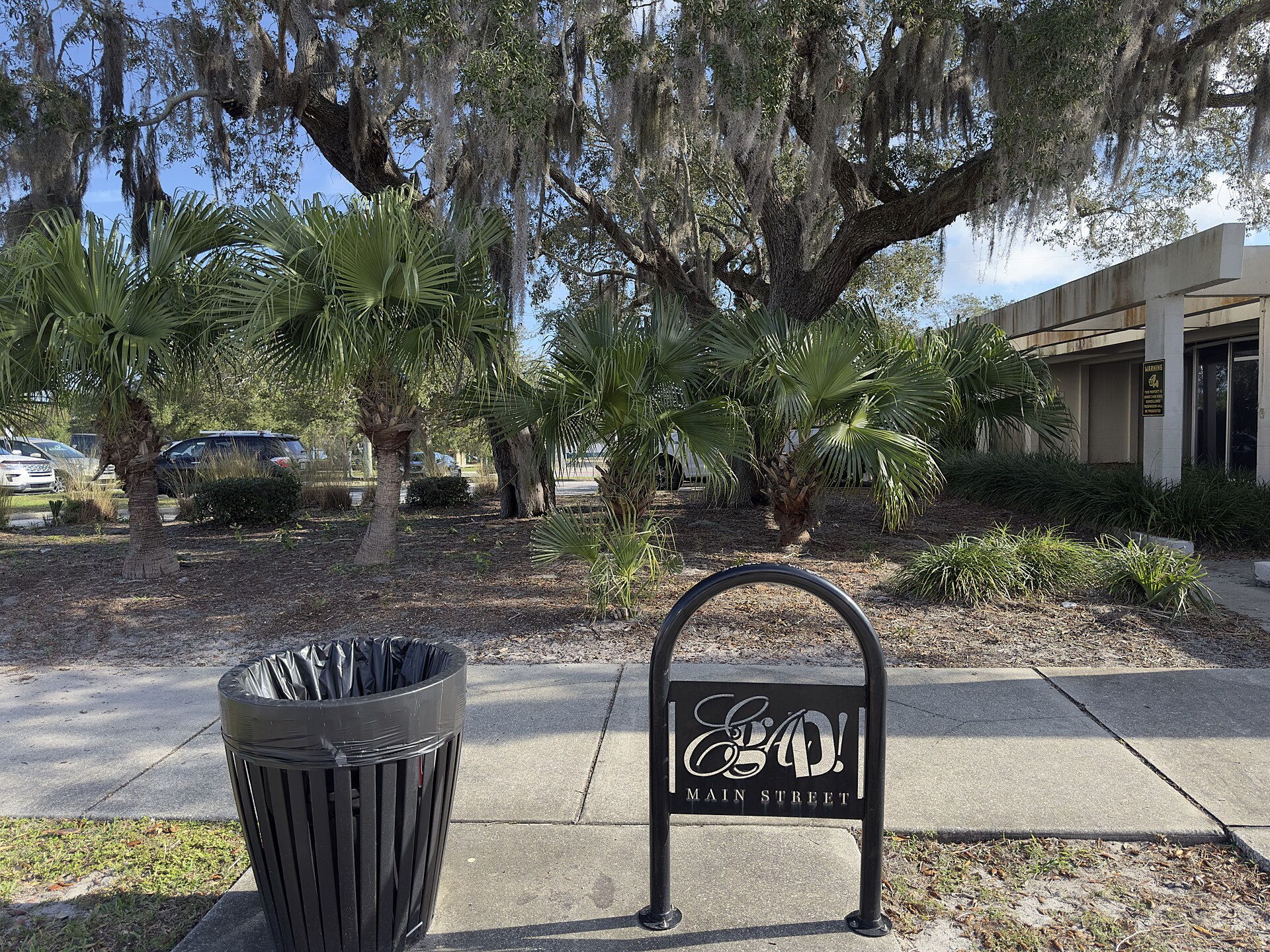
Forty years after the 1969 merger erased Eau Gallie as a political entity, the arts district called EGAD revived the old commercial core as a cultural neighborhood. Here's how a 2010s campaign rebuilt the identity.
- Environment
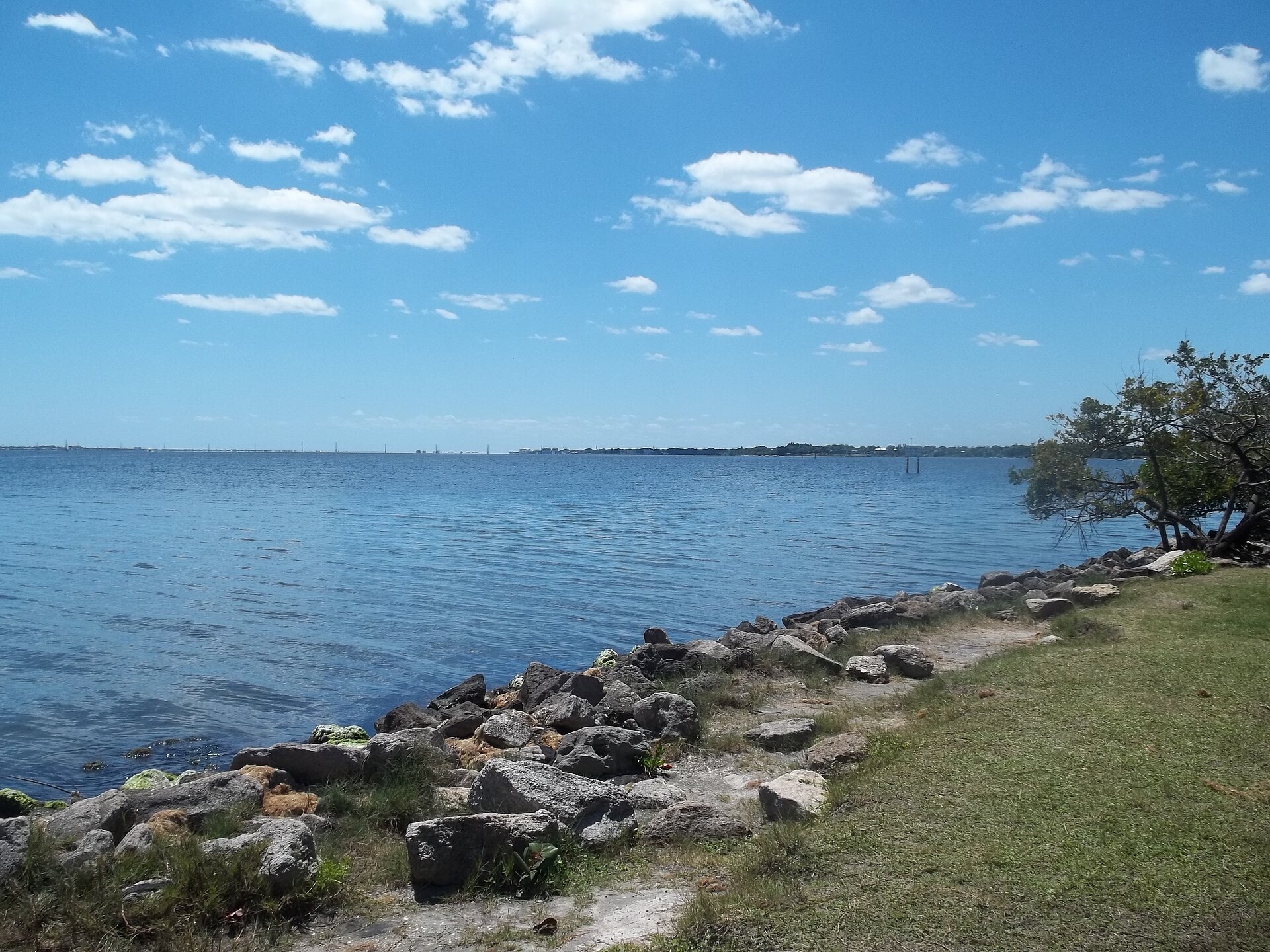
The Indian River Lagoon at Melbourne: what went wrong with the water
The lagoon at Melbourne is among the most degraded reaches of the Indian River system. Here's the seagrass collapse, the nutrient sources, and the recovery work still underway.
- Infrastructure
The Melbourne Beach causeway, distinct from the Melbourne Causeway
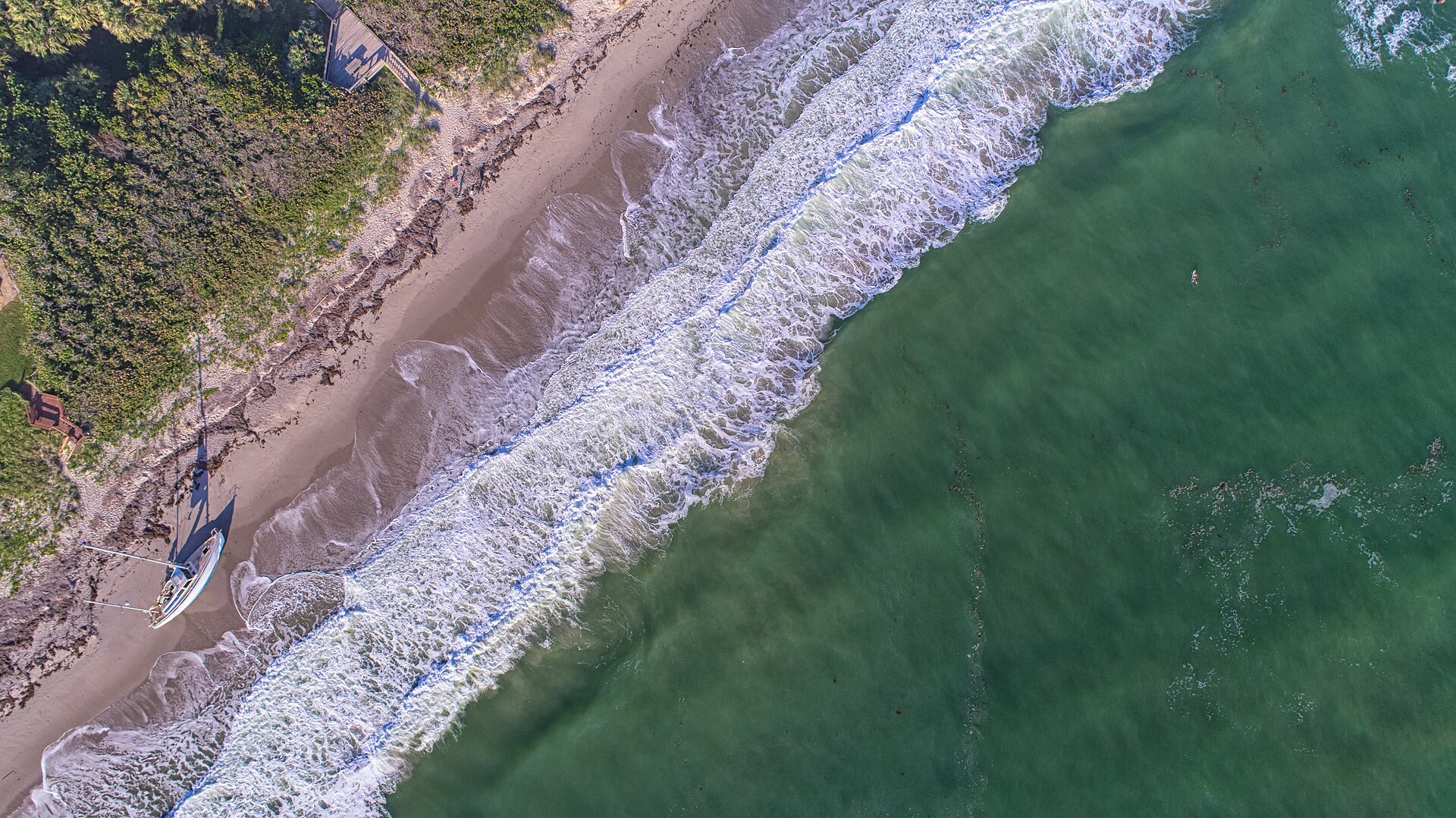
Melbourne Beach has its own causeway, separate from the main Melbourne Causeway, and the distinction trips up visitors. Here's why both exist and how the barrier-island roads developed.
- Schools
Eau Gallie schools before the 1969 merger
Eau Gallie ran its own school district from 1907 through 1960. Here are the buildings, the consolidation, and what got preserved when the schools moved to county control.
- Waterfront
Crane Creek shipyard and the WWII submarine-chaser contracts
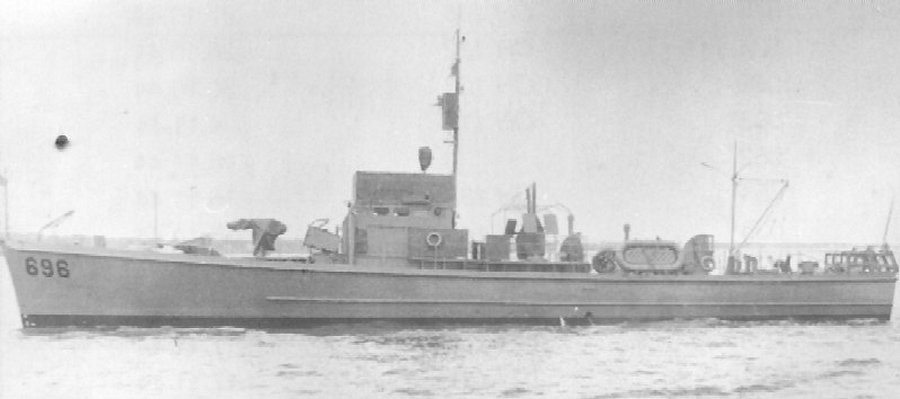
Wooden 110-foot submarine chasers built in part on Crane Creek between 1942 and 1944. Here's the contract trail, the construction reality, and what the war did to Melbourne's small-boat economy.
- Communities
Melbourne Village, the 1946 planned community that survived
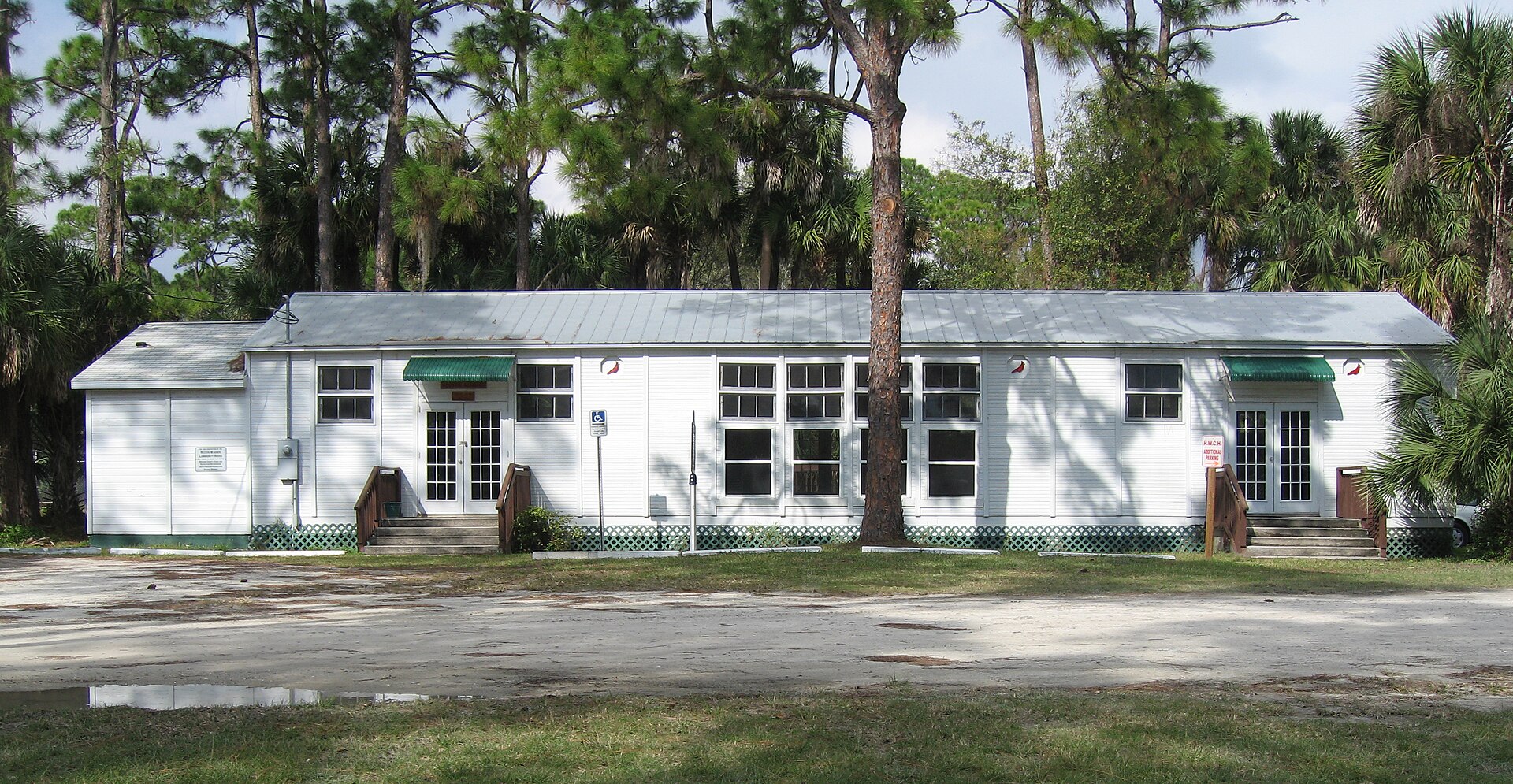
A decentralist utopian project founded in 1946 by Ralph Borsodi's followers, Melbourne Village still exists as a separately incorporated town inside the urbanized south Brevard county. Here's how it happened and what it became.
- Infrastructure
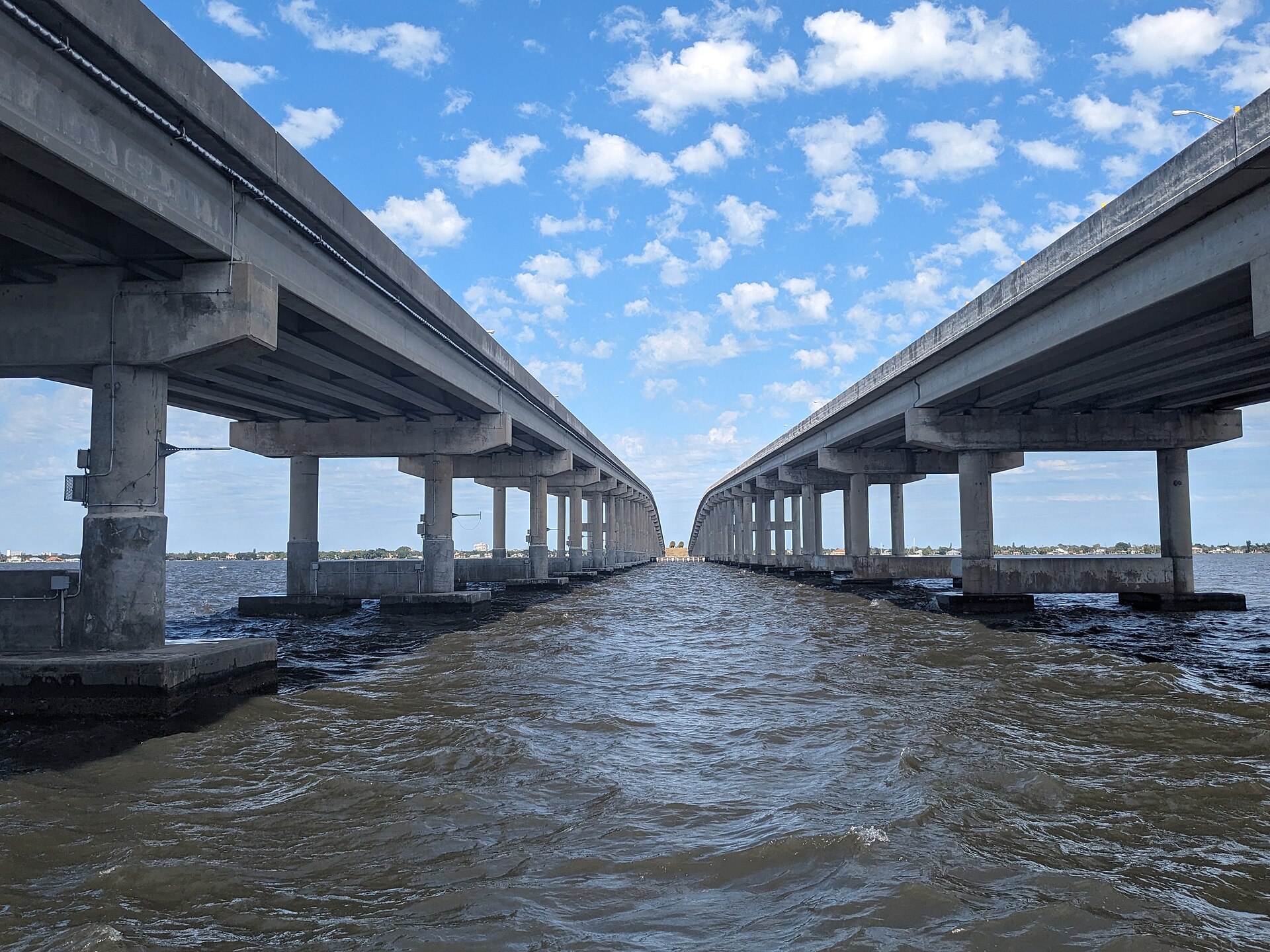
The Melbourne Causeway and the path to the beach
From Ernest Kouwen-Hoven's 1921 wooden toll bridge to the 1947 swing-draw replacement and the modern two-span concrete crossing, the Melbourne Causeway is how the mainland city reaches its beach. Here's the construction history.
- Infrastructure
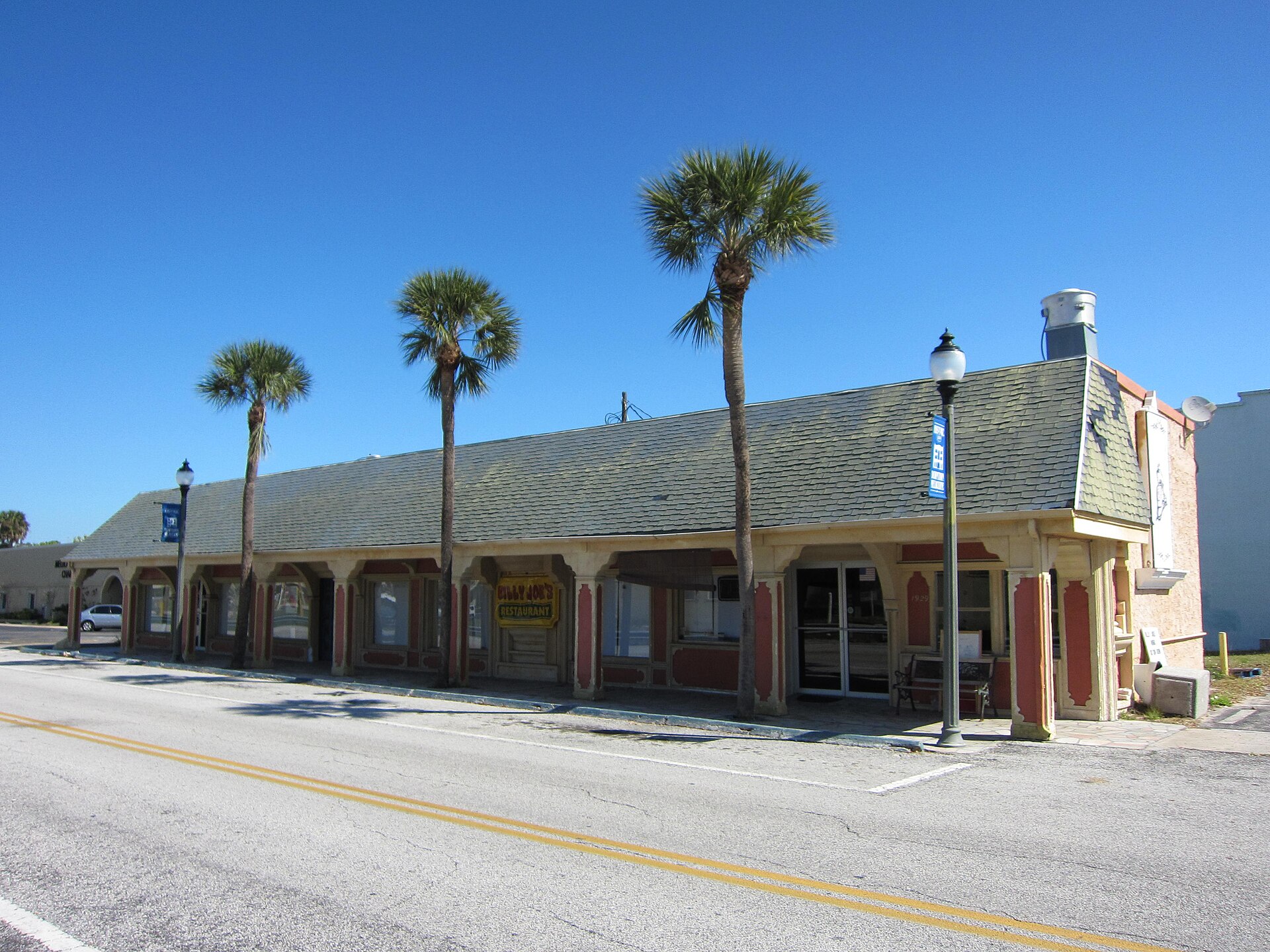
Melbourne's railroad arrival, 1893
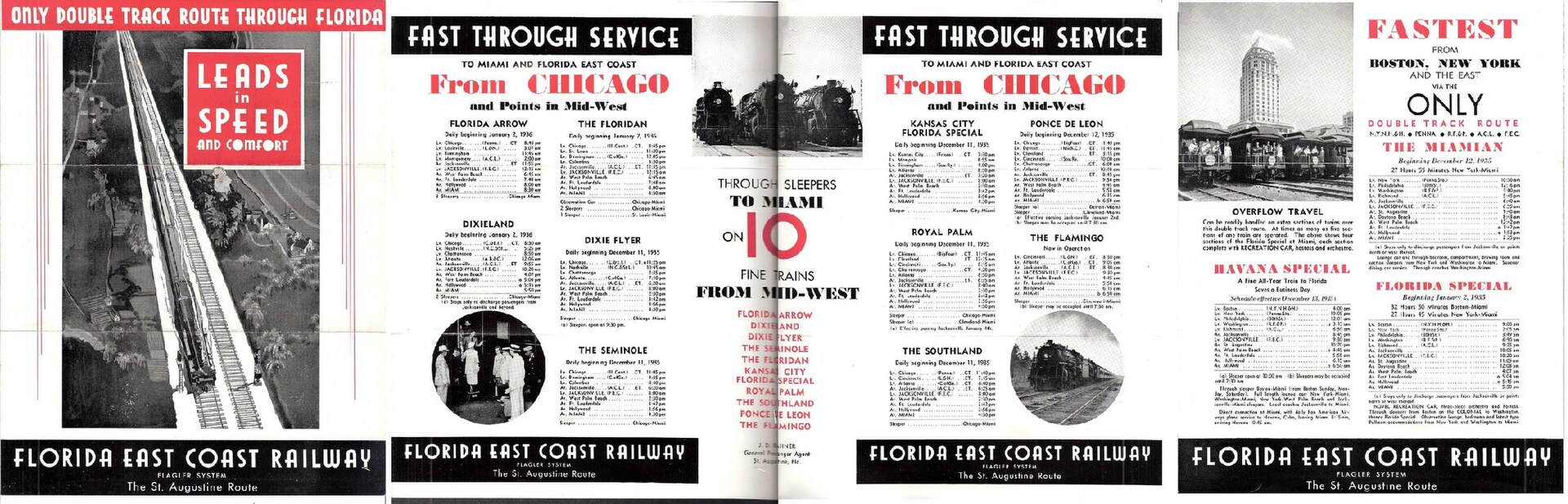
Henry Flagler's Florida East Coast Railway reached Melbourne in 1893 and changed the place from a four-day sailing trip out of Jacksonville into an overnight ride. Here's what arrived with the tracks.
- Institutions
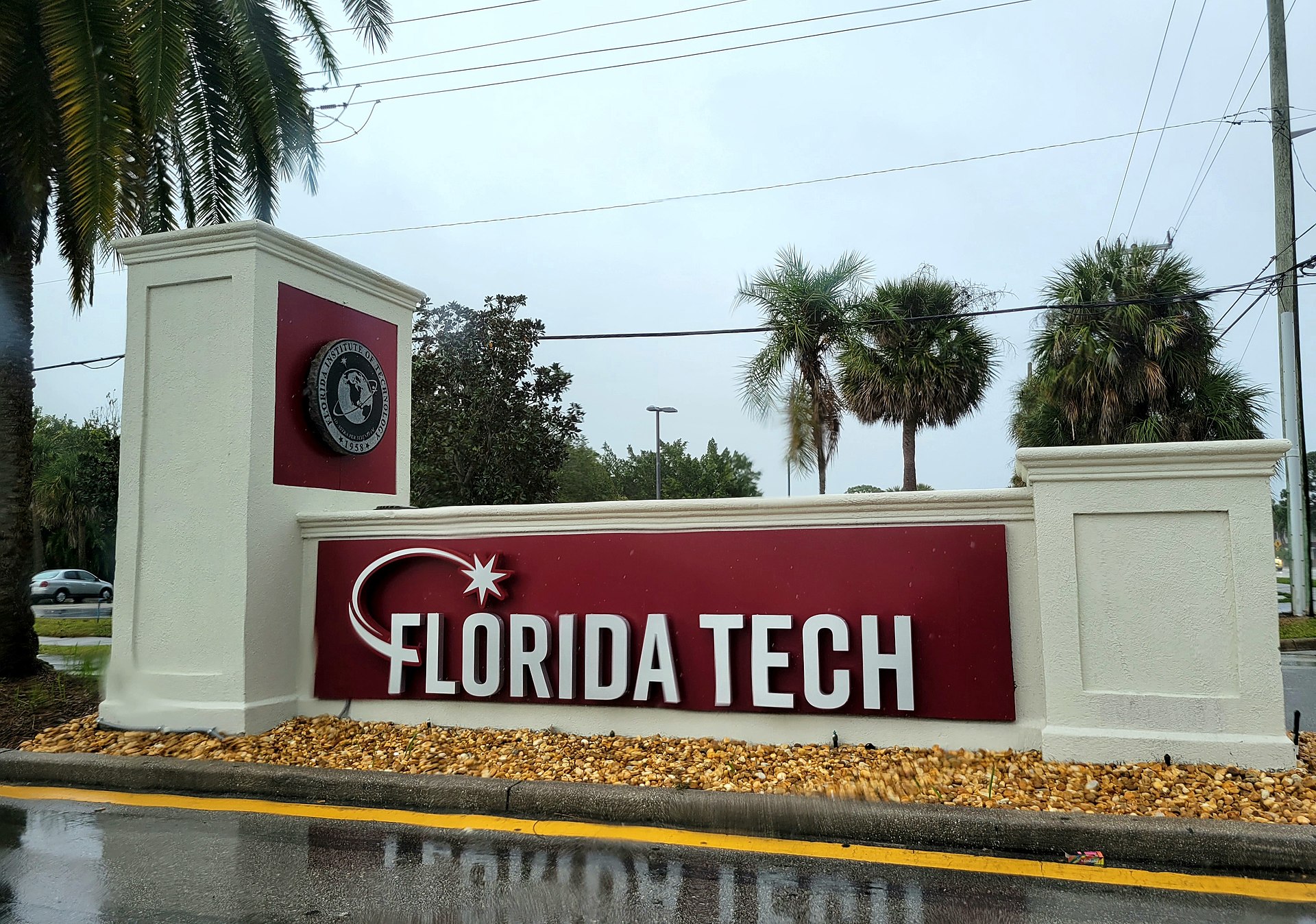
Florida Institute of Technology, founded 1958 for NASA's night-school engineers
Brevard Engineering College opened in a Quonset hut in 1958 to teach evening classes to the engineers working at Cape Canaveral. Sixty-plus years later it's a research university with 9,000 students.
- Civic
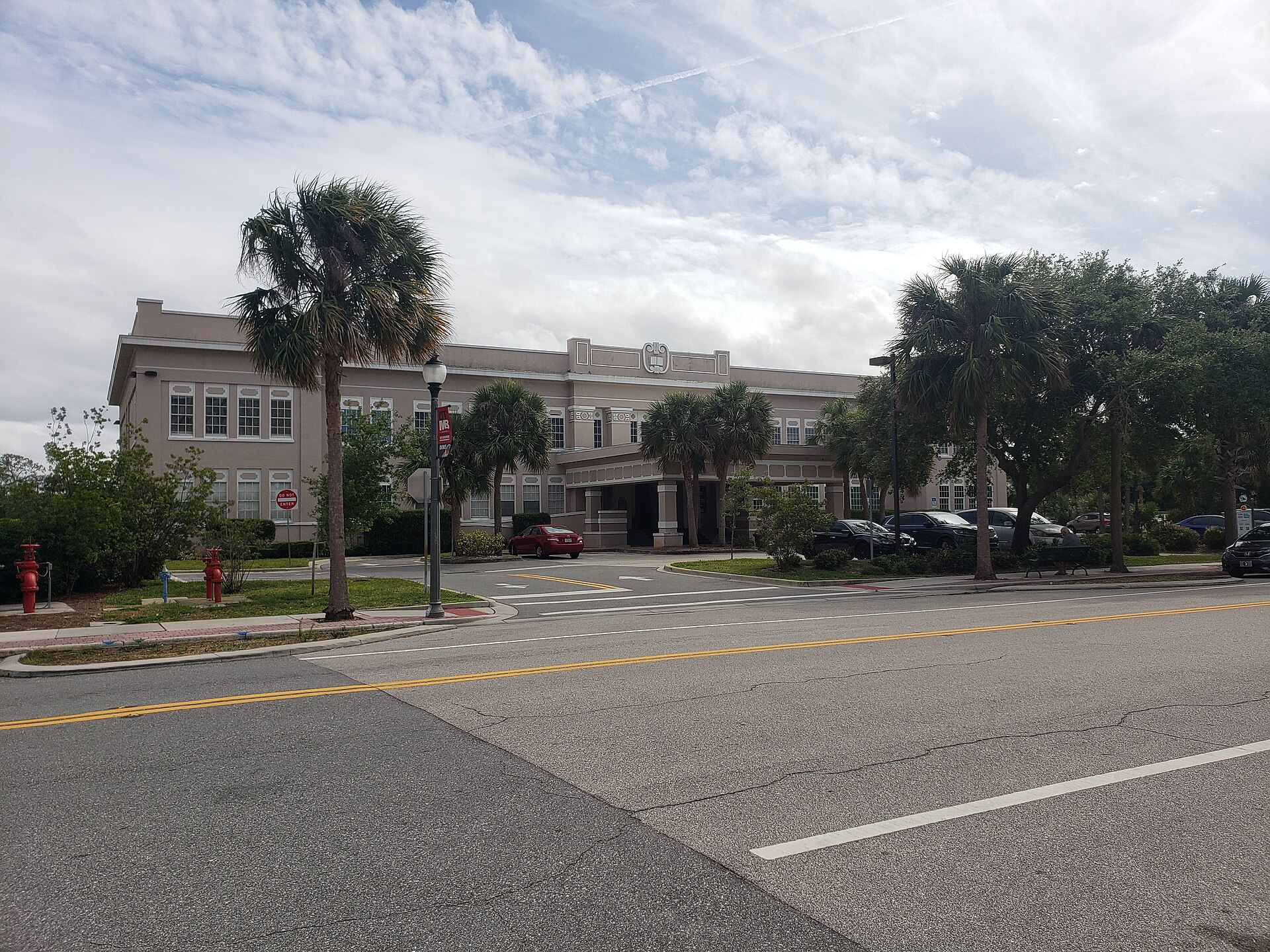
The Henegar Center: a 1919 high school that became Melbourne's stage
Melbourne High School opened in 1919 as a yellow-brick neoclassical statement. Eighty years later it was abandoned, condemned, and almost lost. Here's the building, the rescue, and the second life as a 580-seat performing arts hall.
- Merger
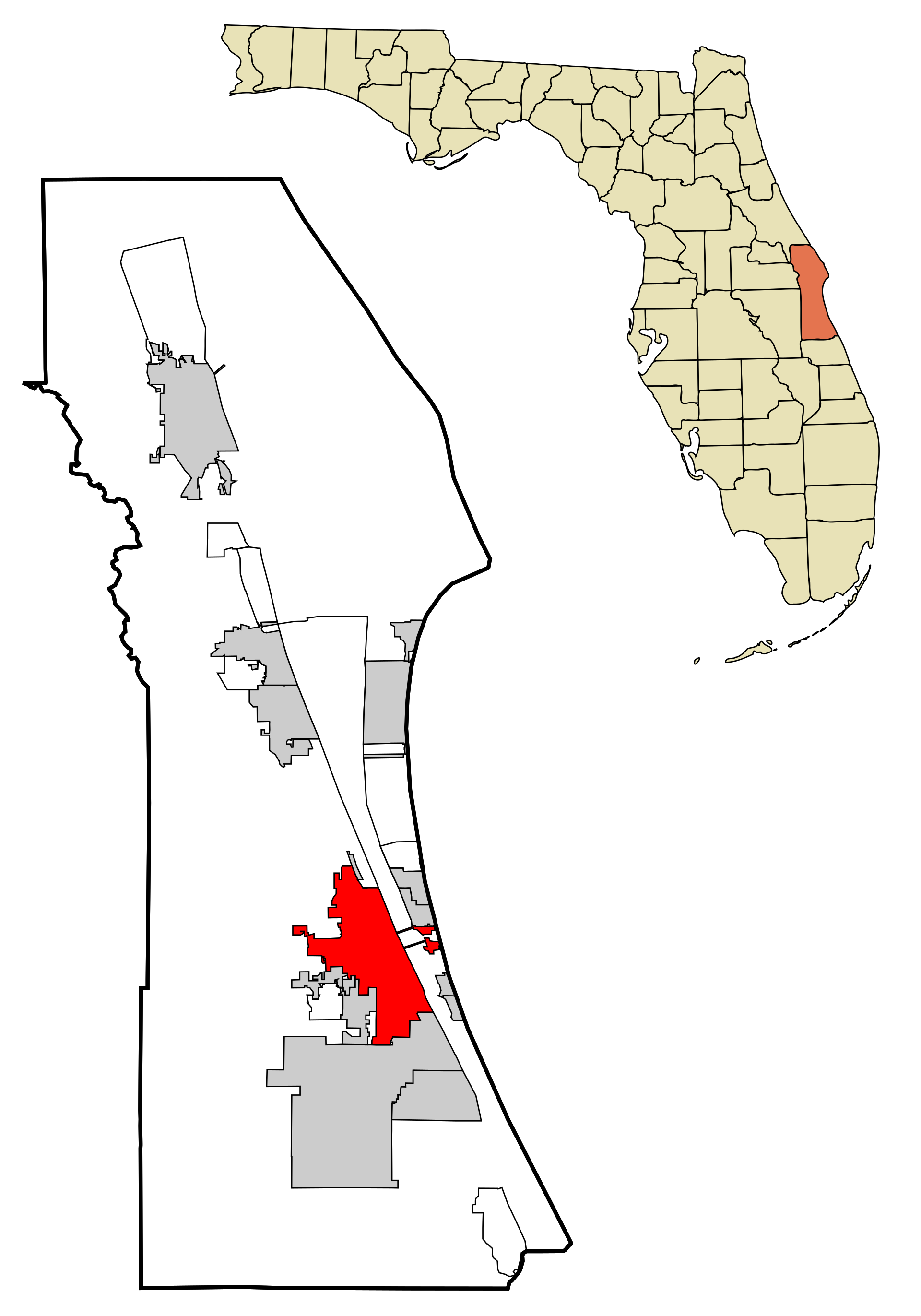
The 1969 Melbourne–Eau Gallie merger
Two adjacent Florida cities, separate schools and separate police, voted to combine in 1969. Here's why it happened, how close it came to failing, and what Melbourne is still living with.
- Founding
The Eau Gallie founding, 1860s
How a Reconstruction-era Florida official named William H. Gleason picked a stretch of pine flatwoods on the Indian River and put a town on it before Melbourne had a post office.
- Waterfront
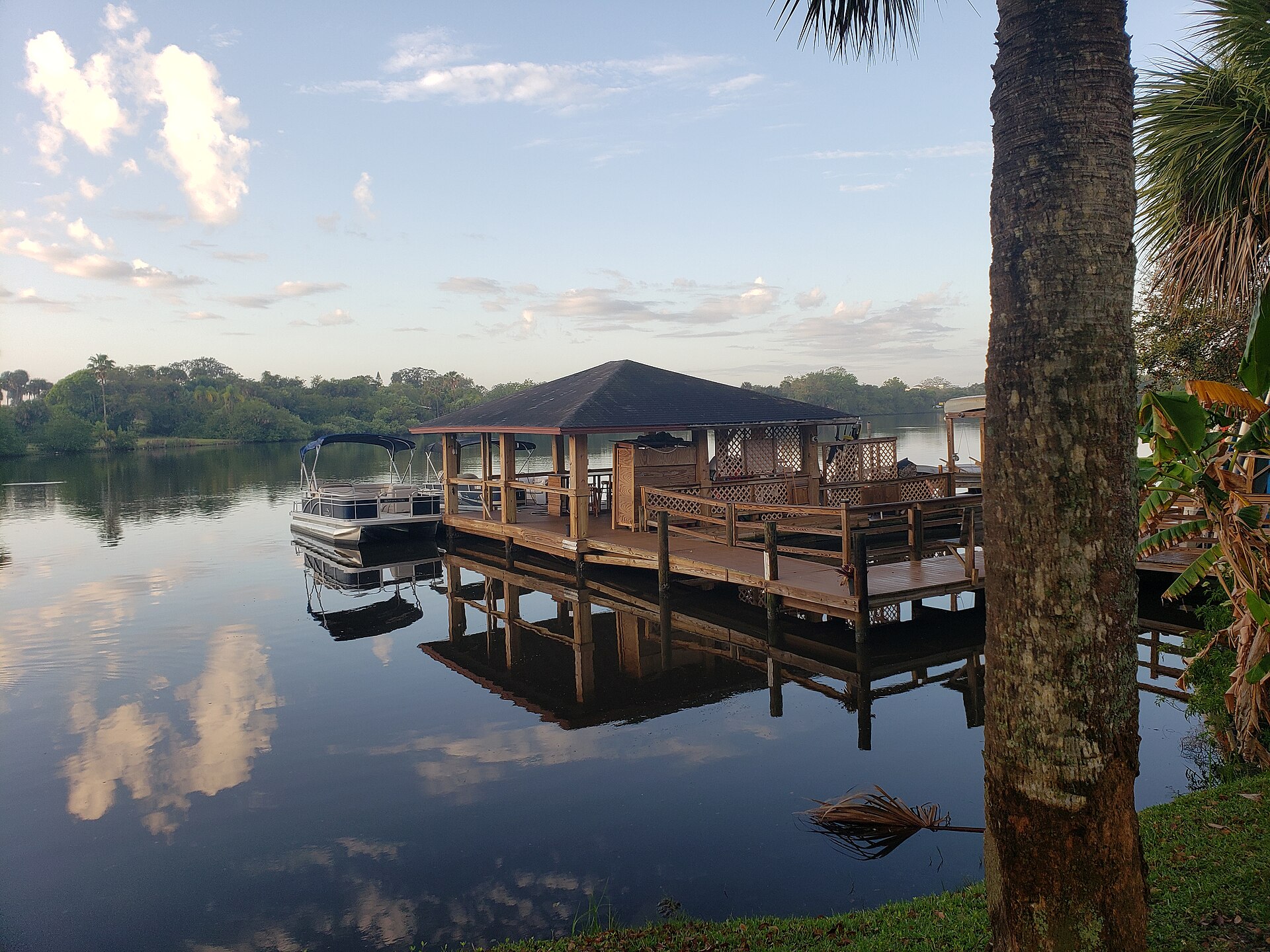
Crane Creek and the working waterfront
Boat-building, citrus shipping, mullet fishing, and the seventy-year stretch when Melbourne's tidal creek was a paying industrial address.
- Founding
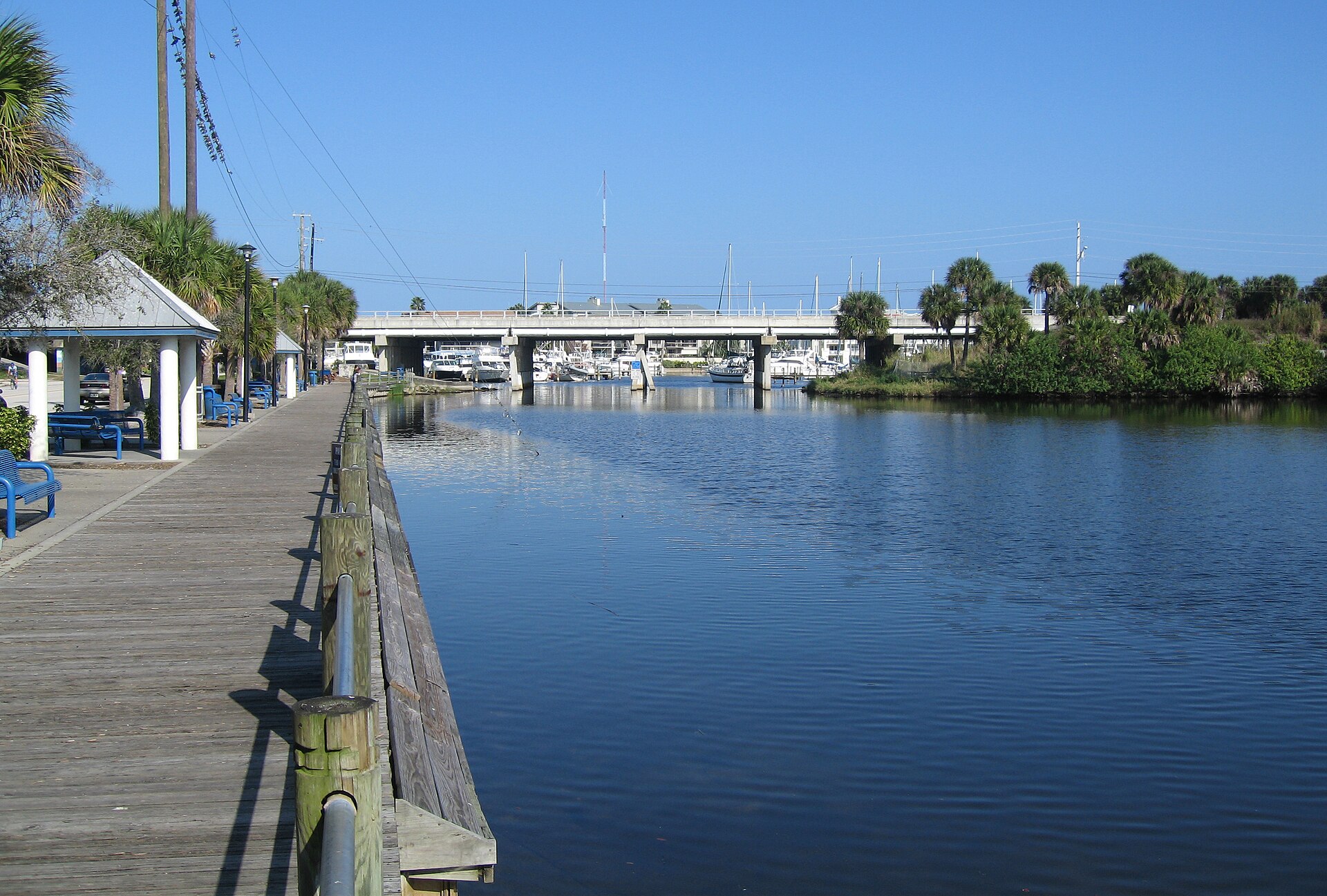
The Hectors and the Melbourne name
How an Australian family named a Florida town after their adopted city, and what the Hector papers say about why Cornthwaite picked Crane Creek over a dozen other open Indian River frontages.
- Founding
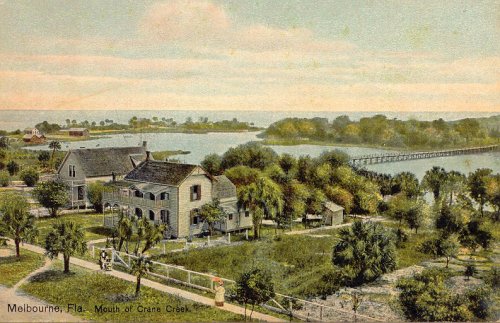
Melbourne's founding, 1878 to 1888 incorporation
How a Cornthwaite Hector tent on Crane Creek in 1878 became an incorporated city ten years later, and why the name points to Australia instead of England.