Suntree and Viera: the master-planned communities that grew north of Melbourne
Suntree opened in 1973. Viera began in the late 1980s. Together they account for tens of thousands of homes built on what was DuPont cattle ranch into the 2010s and 2020s. Here's how Brevard's north county exploded.
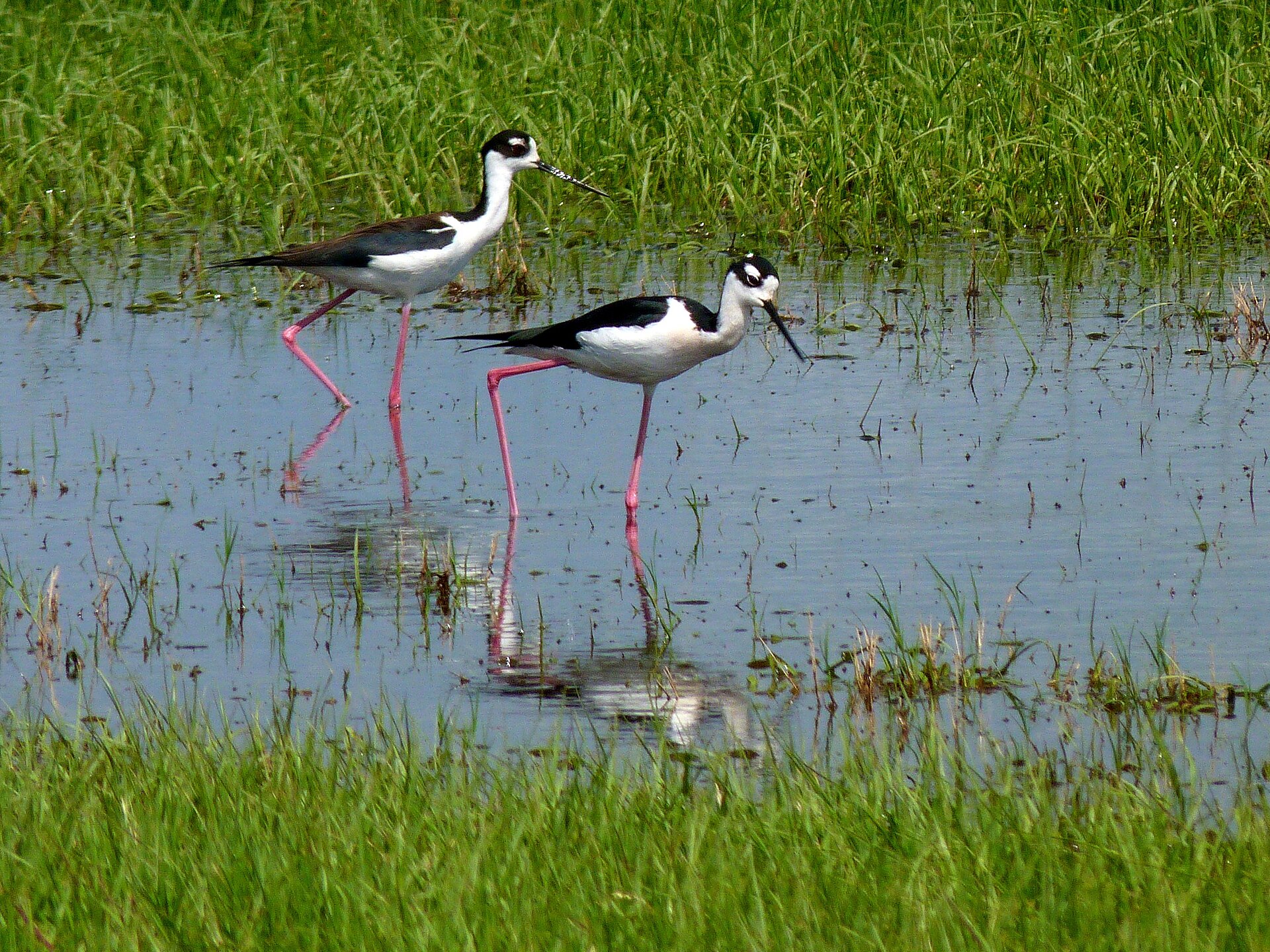
North of Melbourne, between Pineda Causeway and the Eau Gallie River, two master-planned communities account for most of Brevard County’s post-1970 residential growth. Suntree opened in 1973 on 2,000 acres of land north of Eau Gallie. Viera began development in the late 1980s on approximately 24,000 acres that had been the DuPont family’s Deseret cattle ranch holdings. Combined, the two communities house tens of thousands of residents in carefully planned neighborhoods with golf courses, manicured wetlands, retail centers, and the infrastructure that comes with deliberate large-scale development. They represent a different model of growth from the older, more incremental Brevard towns south of them, and the contrast is one of the most visible features of the modern county.
This article walks the development of both communities and what they’ve meant for Melbourne specifically.
Suntree
Suntree was the first true master-planned community in Brevard County. Development began in 1973 by a partnership of regional developers, with about 2,000 acres of land north of Eau Gallie acquired for the project. The original master plan called for a golf-course-anchored residential community with about 4,000 homes at build-out. The community was designed around the Suntree Country Club, a 36-hole golf course that opened in 1975 and remains a central feature of the community.
The early Suntree homes were typical 1970s and 1980s Florida construction: single-family on quarter-acre lots, with a smaller fraction of attached townhomes and condos. The architecture leaned conservative-coastal: stucco exteriors, tile roofs, attached garages. The community had its own community center, swim and tennis facilities, and connecting walking paths.
By 1990 the community had grown to roughly 7,000 residents. Through the 1990s and 2000s the build-out continued, with newer phases adding more diverse housing types (townhomes, condos, smaller-lot single-family). The community currently houses approximately 10,000 to 12,000 residents.
Suntree’s success was a proof of concept. The model (large continuous master plan, golf course anchor, controlled architectural standards, integrated community infrastructure) became the template for what would eventually happen at Viera on a much larger scale.
Viera
Viera is the much larger and more recent project. The land base began as the Deseret Ranch, a vast cattle ranch holding owned by the DuPont family interests through much of the twentieth century. The Deseret holdings totaled approximately 290,000 acres across central Florida, of which approximately 24,000 acres in central Brevard County became the Viera development.
Development planning began in the late 1980s. The Viera Company (a development entity affiliated with the DuPont family) prepared a master plan covering decades of build-out. The first homes were occupied in 1989. The community grew slowly through the 1990s and accelerated through the 2000s.
The Viera master plan was more ambitious than Suntree in scale and in functional diversity. It includes:
- Residential neighborhoods of varying density: single-family subdivisions, townhomes, apartment complexes, age-restricted communities.
- Commercial centers: a large retail center (The Avenue at Viera, opened 2007), grocery-anchored shopping centers, restaurants.
- The Brevard Zoo, opened in 1994, located within the Viera footprint.
- Office and corporate space, including the Brevard County government center, schools (a high school and multiple elementary and middle schools), and a hospital (Viera Hospital, opened 2011).
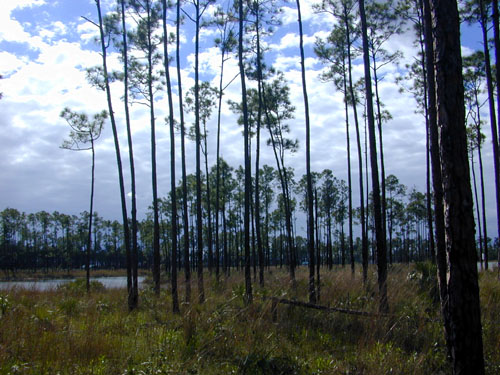
- Open space and managed wetlands: the Viera Wetlands (now formally the Ritch Grissom Memorial Wetlands), a constructed wetlands habitat that has become a regional birding destination.
By 2020 Viera had roughly 25,000 residents. Current build-out projections estimate the community will eventually house 40,000+ residents at full completion in the 2030s.
What changed with Viera
Three things in particular.
Brevard County government moves north. When the Brevard County government center was relocated to a new facility within Viera in the early 2000s, the county effectively shifted its administrative center of gravity from Titusville (historically the county seat) and Melbourne (the largest city) to a master-planned community on what had been ranch land a generation earlier. This was administratively controversial and has been periodically revisited in county politics.
Retail patterns shift. The Avenue at Viera and the surrounding retail concentration drew significant retail spending from older south Brevard commercial centers (especially the Melbourne Square Mall, which has struggled for the past decade). Some retail follow-on effects propagated through the entire south county retail market.
Demographic sorting. Viera’s housing stock and price points have attracted a particular demographic mix: middle-class to upper-middle-class professional households, often two-income, often with school-age children. The community’s demographics have skewed younger and whiter than south Brevard’s older neighborhoods. This sorting has been documented in Census data and has political and educational implications.
What Viera and Suntree mean for Melbourne
Net economic effect, mixed.
Positive: the master-planned communities have added a substantial tax base, retail volume, professional workforce, and corporate-services demand to north Brevard. The L3Harris corridor in particular benefits from a nearby supply of professional workforce and middle-class housing. Brevard County’s overall economic resilience has been improved by the diversity that Viera adds.
Negative: the development has shifted resources and attention away from older Melbourne neighborhoods. Retail vacancy in old Melbourne and Eau Gallie cores increased through the 1990s and 2000s partly because the consumer base moved north. The City of Melbourne lost some of its centrality to county economic life.
Neutral-to-complicating: the master-planned model raises questions about housing affordability and growth pace. Viera’s housing stock skews mid-to-high price. South Brevard’s housing affordability has tightened partly because of the regional price pressure from Viera. Whether Viera’s expansion ultimately makes Brevard more or less housing-affordable is contested.
What’s planned next
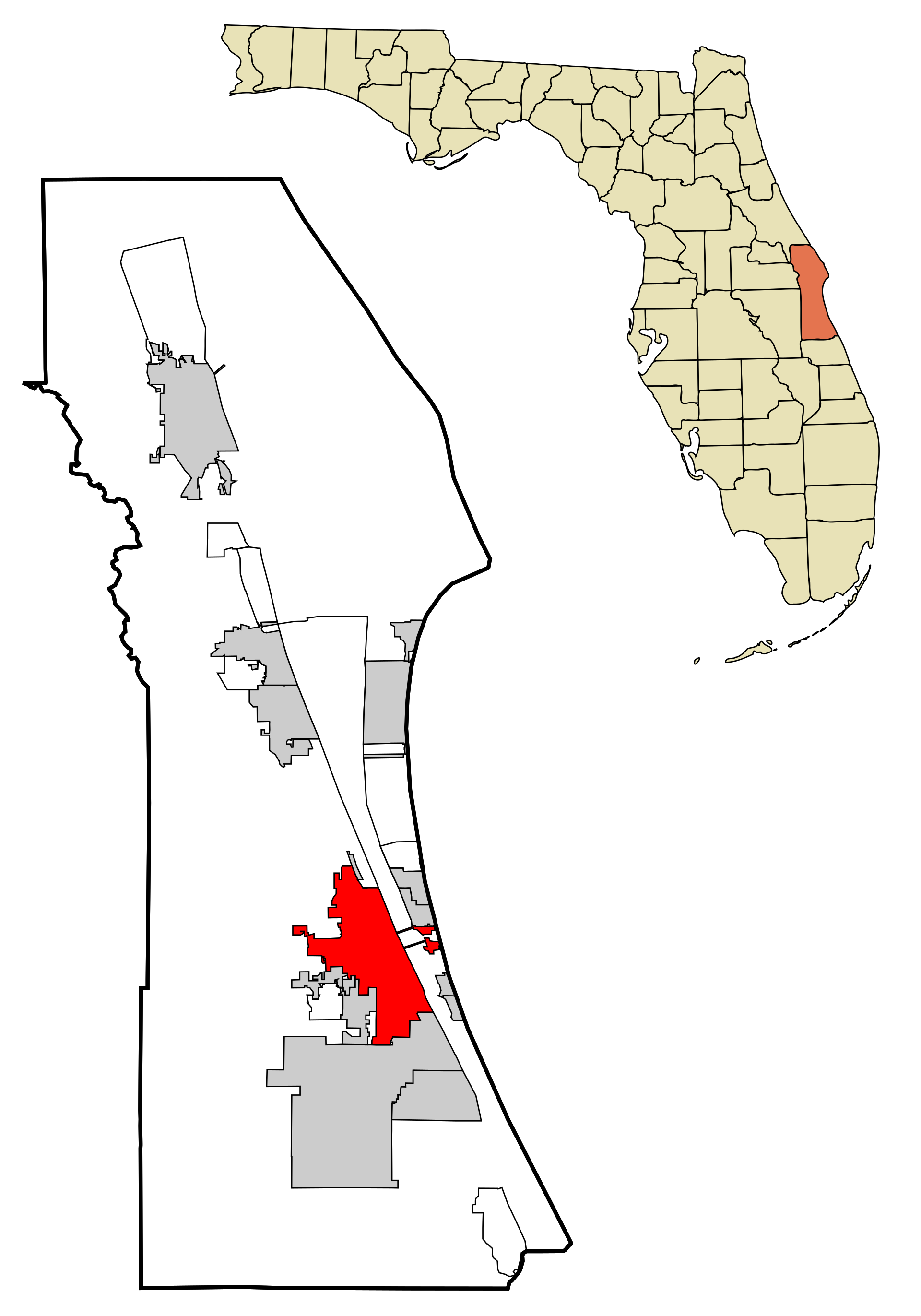
Viera’s build-out is projected to continue through the 2030s. Several phases of new neighborhoods are in the master plan. The Viera Company continues to control most of the underlying land and is actively developing.
A more interesting question is whether the master-planned model will be repeated elsewhere in Brevard. There is limited remaining land at the Viera-scale level (24,000 contiguous acres) in central or north Brevard. Some smaller master-planned communities have been developed (West Viera, parts of Palm Bay, the Heritage area south of Melbourne), but nothing approaches the Viera scale.
The bigger growth pressure now is on south Brevard, particularly Palm Bay (Brevard’s largest city by population), where development is occurring more incrementally on individual subdivisions rather than master-planned models. Whether the master-planned community proves the dominant Brevard model going forward, or remains a particular feature of the Viera-Suntree corridor, is open.
Why master-planned matters historically
The master-planned community is, in its own way, a Florida invention. Disney’s Reedy Creek Improvement District (which underlies Walt Disney World) is the most extreme example. Sun City Center, Pelican Bay, Lakewood Ranch, and dozens of others elsewhere in Florida follow variations on the same model.
Viera is a notable example in the genre. It’s not as famous as Lakewood Ranch (in Manatee County) or as massive as some of the Tampa-area projects. But for Brevard County, it represents the dominant new-development model for an entire generation. The county’s growth from 230,000 in 1970 to 630,000 in 2024 has happened in significant part inside Viera and Suntree.
For someone who knew Brevard County in the 1960s and visits now, the most disorienting change isn’t the launches at the Cape or the FIT campus or even the L3Harris corridor. It’s driving north on US-1 or I-95 from Melbourne and finding a continuous master-planned community where there was empty ranch land within living memory.
Sources
- The Viera Company corporate history and master plan documentation, accessed 2026-01-22. https://www.theviera.com/
- Brevard County government, planning records and master-plan reviews for Suntree and Viera, accessed 2026-01-22. https://www.brevardfl.gov/
- Florida Memory Project, Brevard County development photographs and records, accessed 2026-01-22. https://www.floridamemory.com/
- US Census Bureau, decennial counts for Brevard County 1970 through 2020.
- Suntree Master Homeowners Association historical records, accessed 2026-01-22.
- Brevard Zoo institutional history (within the Viera footprint).
Further Reading
As an Amazon Associate we earn from qualifying purchases.