What 'Old Melbourne' means: editorial premise
Why this site exists, what we mean by 'old,' and the editorial standard we hold ourselves to. Under 1,200 words.
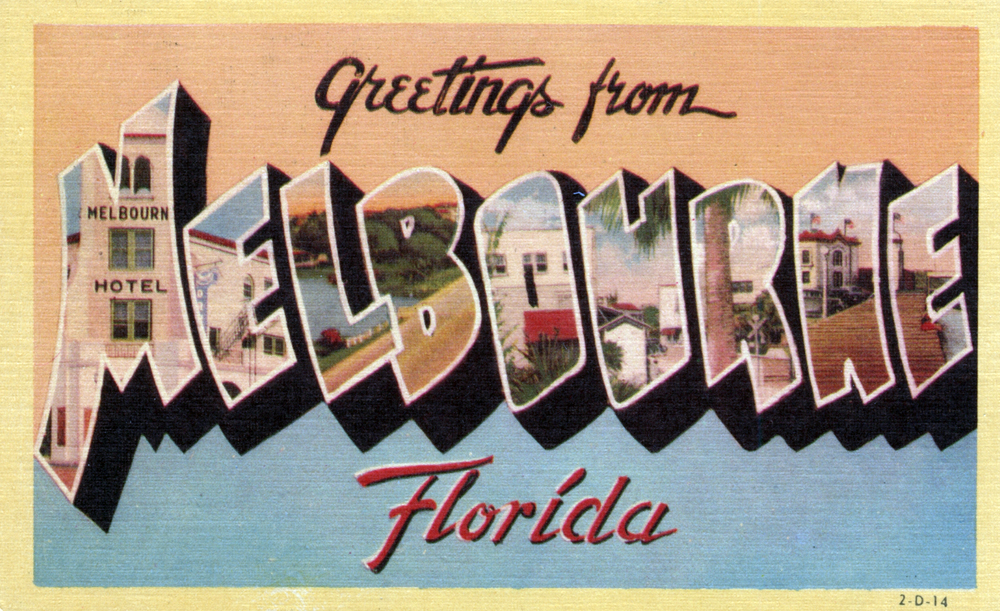
This site is called Old Melbourne. It’s worth saying clearly what that means, and what it doesn’t, before someone reads further and finds themselves disappointed.
What “old” means here
“Old Melbourne” is a working name for the version of the city that exists in the primary historical record. Cornthwaite Hector’s tent on Crane Creek in 1878. The 1888 charter. The 1893 FEC arrival. The 1898 citrus packing house. The 1919 high school. The 1925 wooden causeway. The 1942 Navy training base. The 1957 incorporation of Melbourne Village. The 1958 founding of Brevard Engineering College. The 1969 merger with Eau Gallie. The 2004 hurricane double-strike. The 2019 L3Harris merger. Through to the lagoon-restoration tax votes and the EGAD arts-district revival.
It’s the version of Melbourne you can document. Names, dates, places, quotes, contracts, photographs, censuses. The historical record left by people who lived through events and the institutions that recorded them.
It’s not “old” in the sense of nostalgic, picturesque, lost. Some of it is romantic; most of it isn’t. The 1880s fishing economy was hard work in dangerous conditions for small returns. The 1920s tourism boom was speculative real estate that produced as many busts as fortunes. The post-1969 merger period produced both genuine civic progress and uneven attention to historic neighborhoods. The recent decades have included environmental damage to the lagoon that may not be reversible. None of this is meant as a sentimental tour.
What we won’t do
A few things this site deliberately avoids.
No content-farm padding. No “Top 10 Things to Know About Old Melbourne.” No “Everything You Need to Know About Eau Gallie.” No throat-clearing introductions that take 200 words to say what an article is about. We try to lead with the substantive content and end when we’ve covered the substantive content. No closing recap paragraphs.
No travel-blog tone. This isn’t a place to visit Melbourne. It’s a place to understand its history. If you happen to use it for trip planning that’s fine, but the editorial frame is research and reference, not tourism marketing.
No partisan framing of complicated history. The Gleason story is morally complicated. The segregation history is morally complicated. The hurricane response history involves uncomfortable choices. We try to walk these honestly without sanitizing them and without weaponizing them.
The Crane Creek standard
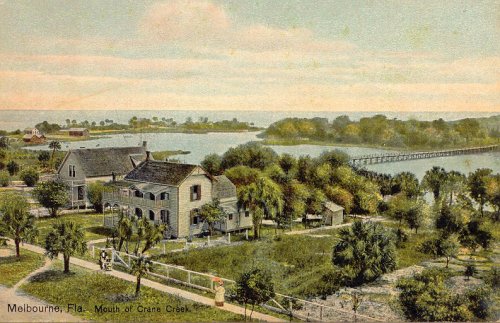
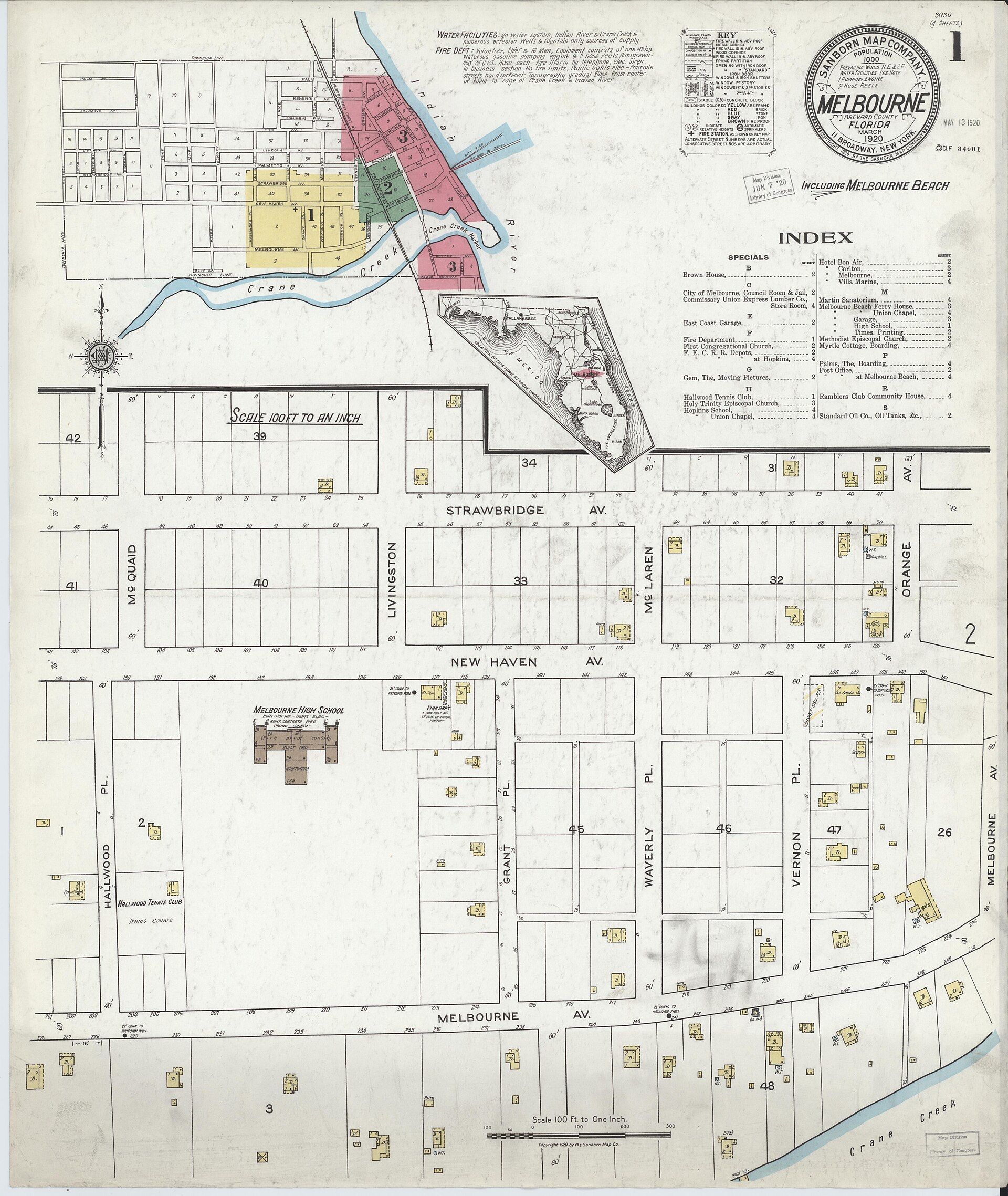
Throughout the site we keep coming back to Crane Creek. It’s a useful unifying thread because so much of Melbourne’s pre-merger history runs through that mile and a quarter of tidal creek: the Hector tent, the citrus packing houses, the boat-building, the Marsh yard subchaser work, the fishing fleet, the postwar transition, the modern Civic Center.
The creek is shallower now than it was. The working economy that ran through it is gone. The aesthetic is more park than industrial waterfront. But the place is still there. You can walk the Crane Creek Promenade and stand on the spot where Hector’s tent went up. The historical layers are visible if you know what you’re looking at. Part of what this site does is help with that knowing.
What we’d do differently with more time and money
A real institutional history of Melbourne would be larger than this site. Specifically it would include:
- More extensive oral histories with the older generation of Brevard residents, while they’re still available.
- A deeper documentation of Melbourne’s Black community institutions through the segregation era.
- A more complete environmental and ecological history of the lagoon at Melbourne over the past 200 years.
- More serious coverage of working-class economic life beyond the citrus and fishing surface.
- Better coverage of women’s economic and civic roles, especially in the pre-1960 period.
These are gaps. The site exists in part to provide a working starting point that someone with more resources could expand. If you have institutional access or family papers that would deepen any of these areas, we’d like to hear from you. The contact email is hello@oldmelbourne.com.
Sources
- City of Melbourne, institutional history page and historical records, accessed 2026-01-28. https://www.melbourneflorida.org/
- Florida Memory Project, State Archives of Florida, accessed 2026-01-28. https://www.floridamemory.com/
- US National Register of Historic Places, Old Melbourne Historic District nomination, 1987.
- This site’s other articles, with their respective Sources blocks.
Further Reading
As an Amazon Associate we earn from qualifying purchases.